
Lithium-ion batteries are commonly used in smartphones, laptops, electric vehicles, power tools, and energy storage systems. Because they contain reactive materials, they require specialized recycling to safely recover valuable resources like lithium, cobalt, and nickel while preventing environmental pollution and safety risks from improper disposal.
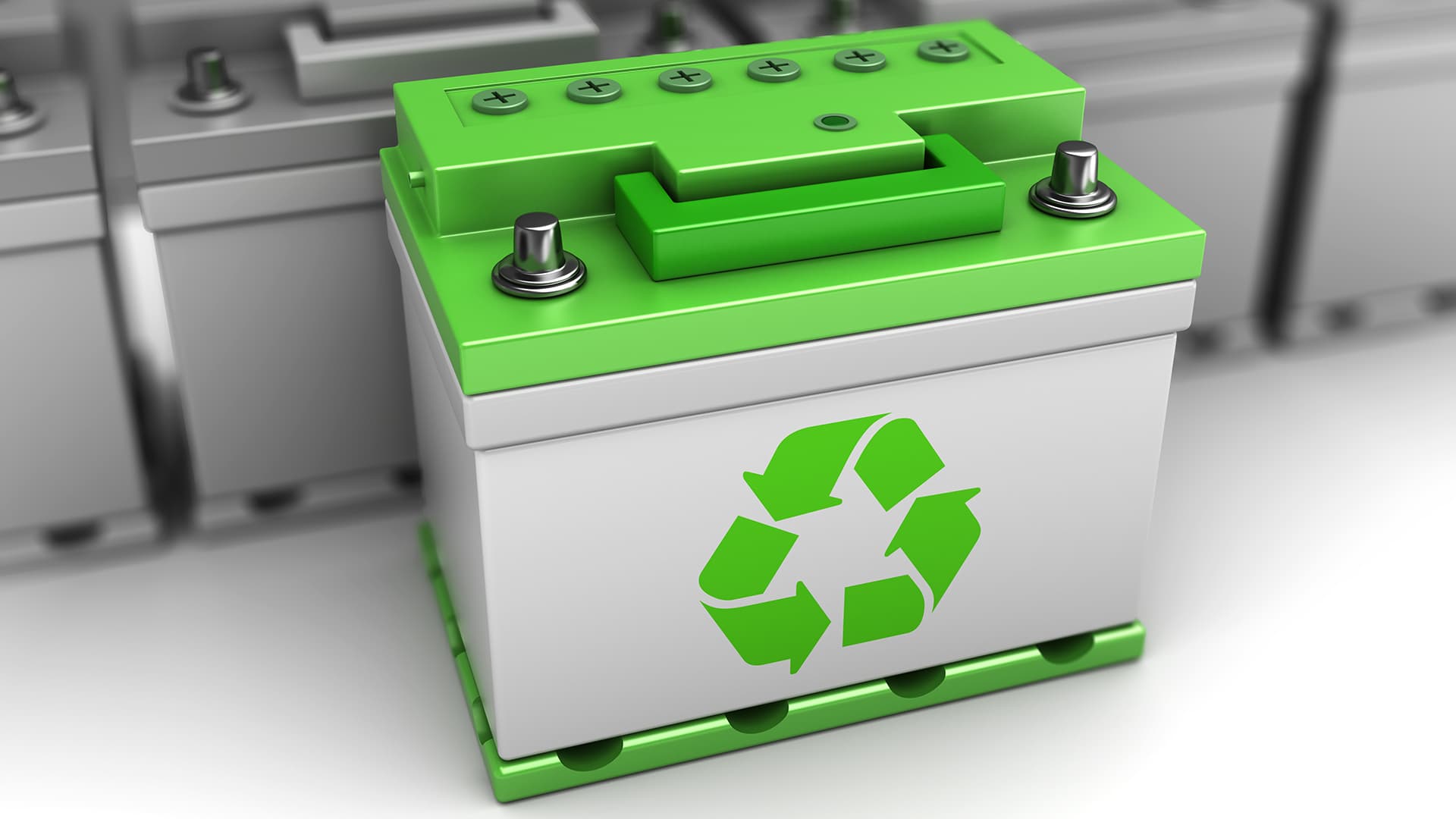
The global use of lithium-ion batteries has increased significantly with the growth of consumer electronics, electric vehicles, and renewable energy systems. As batteries reach the end of their lifecycle, they must be processed through regulated recycling systems.
Discarding lithium batteries in general waste can lead to safety hazards and environmental damage. Recycling ensures valuable metals are recovered and hazardous components are handled through controlled recycling processes.
Responsible recycling also helps reduce the demand for raw material mining while supporting sustainable energy technology development.
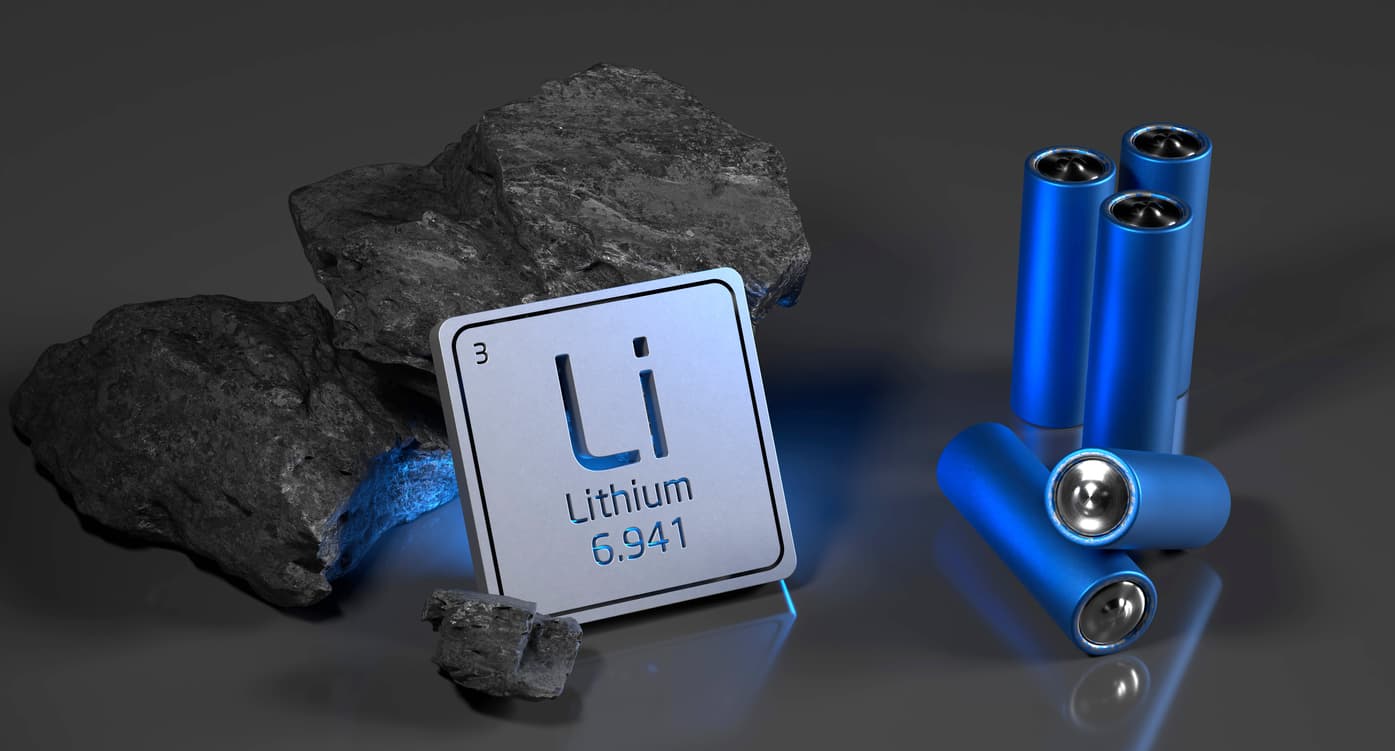
Lithium-ion batteries contain several valuable and reactive materials that can be recovered through specialized recycling technologies. Proper recycling allows these materials to be reused in manufacturing new batteries and electronic devices.
Common materials recovered from lithium batteries include:
Improper disposal of lithium-ion batteries can cause serious environmental and safety concerns. These batteries contain chemicals that may leak or react if exposed to heat, pressure, or damage.
When lithium batteries are thrown into landfills or processed through informal recycling channels, hazardous materials can contaminate soil and water systems.
Potential environmental risks include:
Lithium-ion batteries are highly reactive and must be handled carefully during disposal or recycling. Improper handling can create fire hazards, safety risks, and environmental damage.
Without proper recycling procedures, batteries may also lose valuable materials that could otherwise be recovered and reused.
Common risks include:
Certified recycling facilities follow strict safety and environmental standards for handling lithium-ion batteries. These facilities use specialized equipment and trained professionals to safely dismantle and process battery materials.
Working with a certified recycling partner ensures batteries are transported, stored, and recycled according to regulatory guidelines and safety protocols.
Benefits of certified recycling include:
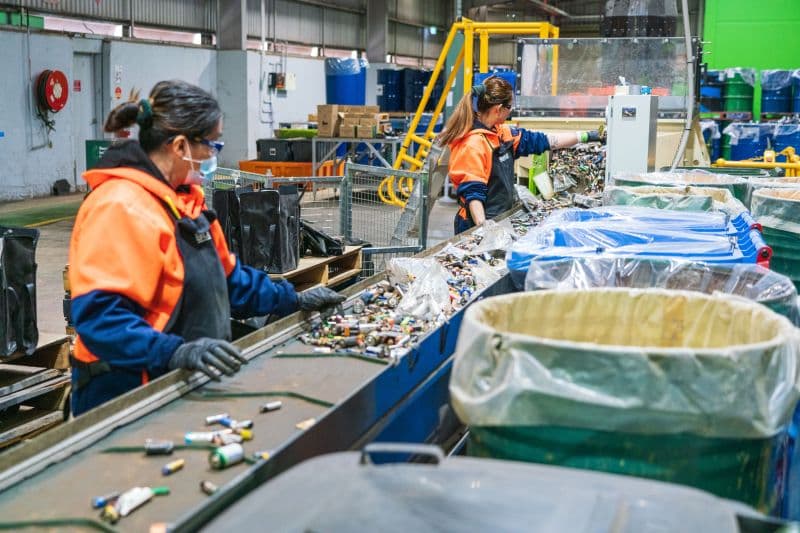
At Bharat Recycling Pvt. Ltd., lithium-ion batteries are processed through a structured recycling workflow designed to ensure safety, compliance, and resource recovery. Each battery unit is handled using controlled procedures to prevent damage or chemical leakage.
Our recycling process focuses on safe transportation, controlled dismantling, and efficient recovery of battery materials
The process typically includes:
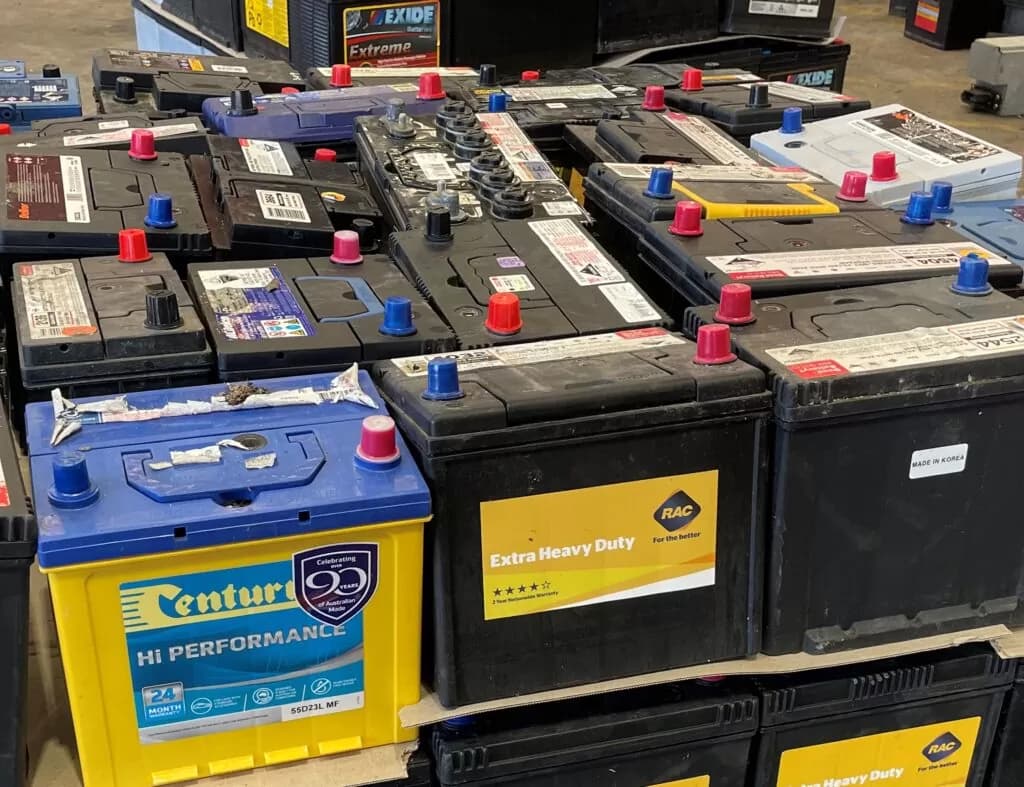
Lithium-ion batteries should be recycled once they reach the end of their useful life or show signs of damage. Storing damaged batteries for long periods can increase the risk of leakage or fire hazards.
Sending batteries to certified recycling facilities ensures safe processing and responsible material recovery.
Common situations where recycling is recommended include:
Lithium battery recycling services support a wide range of batteries used in electronics, industrial equipment, and energy storage systems. Certified recycling facilities can process different battery formats safely.
Common battery types accepted for recycling include:
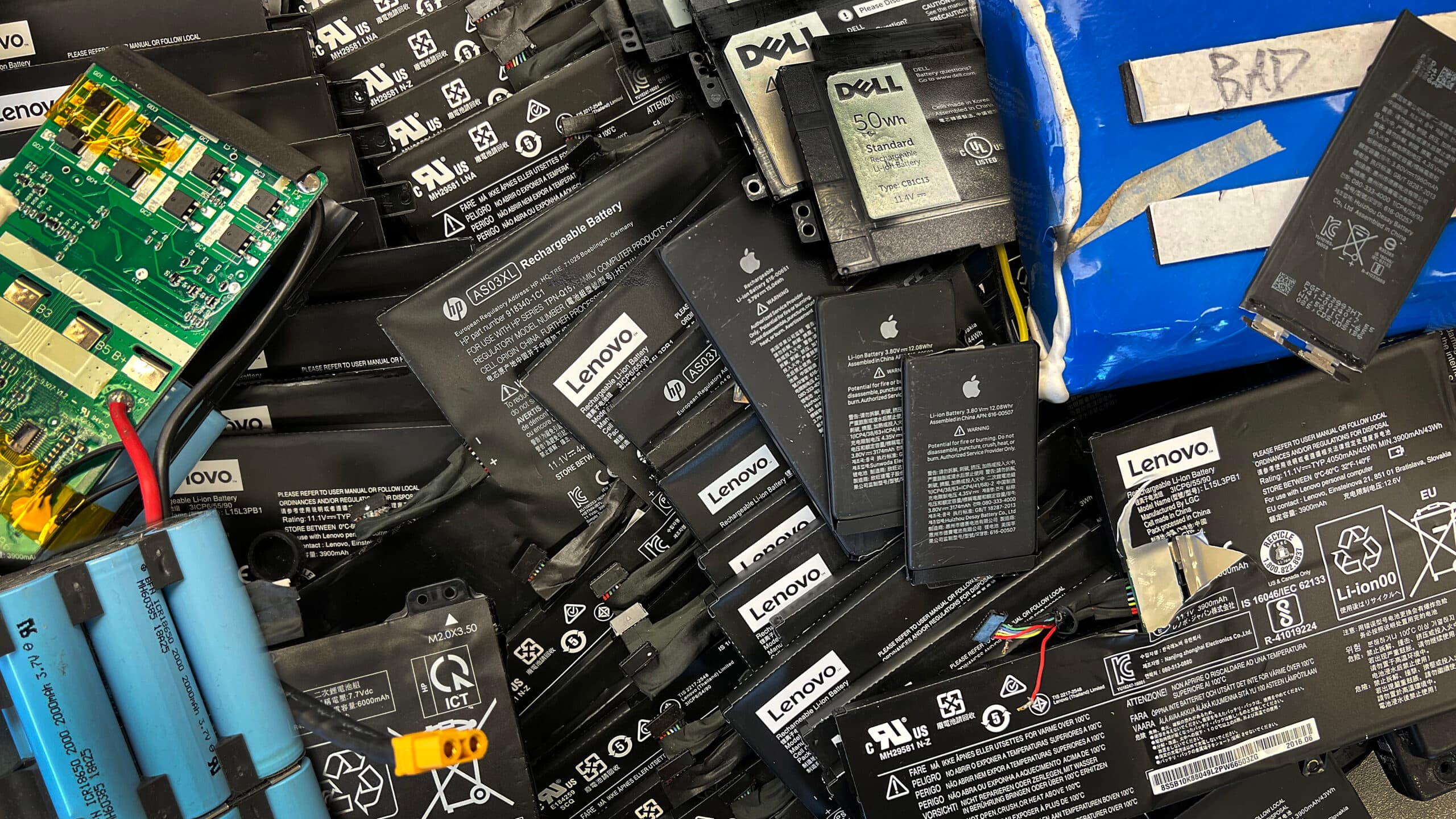
Lithium-ion battery recycling plays an important role in building a sustainable energy ecosystem. Recovering battery materials reduces the need for new mining operations and supports the circular use of critical minerals.
Responsible battery recycling helps ensure valuable materials remain available for future energy technologies.
Key sustainability benefits include:
If you have lithium-ion batteries that need safe recycling or disposal, our team can help guide you through the process.
Need help? Chat with us
