
Display units such as computer monitors, televisions, laptops screens, and industrial display panels contain complex electronic components that require safe and responsible recycling. Proper recycling ensures hazardous materials are handled correctly while valuable resources are recovered through controlled processing.
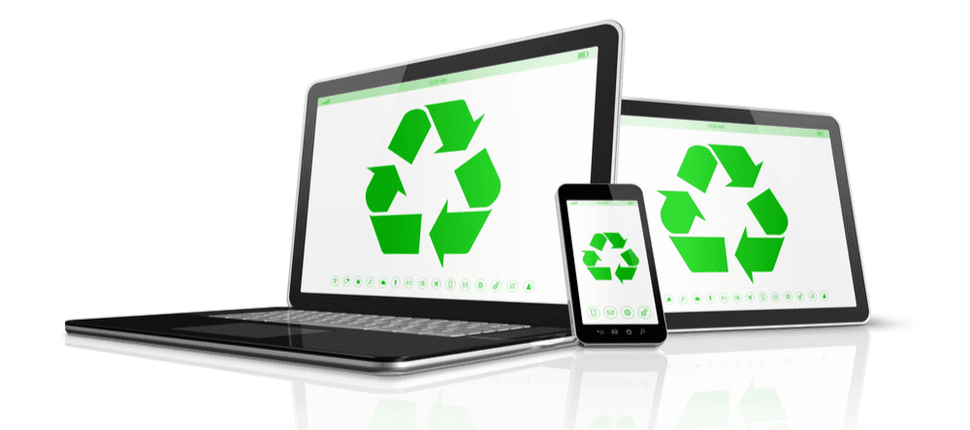
Display devices are widely used in homes, offices, industries, and commercial environments. As technology evolves rapidly, older display units are frequently replaced with newer models, resulting in a large volume of discarded screens.
Unlike regular waste, display units contain electronic components, glass panels, and internal circuitry that must be handled through specialized recycling processes. Responsible recycling ensures these devices are dismantled safely and prevents hazardous materials from entering the environment.
Recycling display units also helps recover valuable materials that can be reused in manufacturing, supporting sustainable resource management.
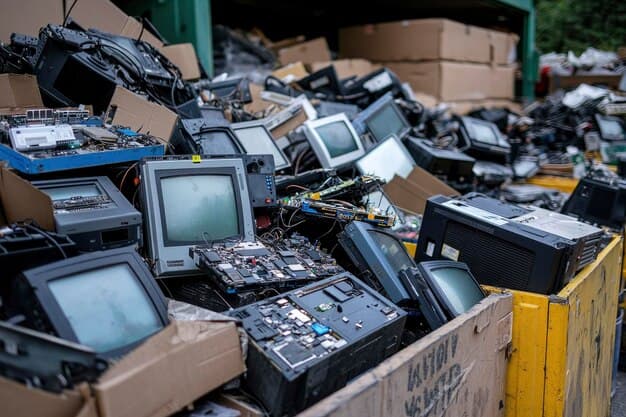
Modern display devices contain multiple electronic and structural components that require careful separation and recycling. These materials can be safely recovered and reused when processed at certified recycling facilities.
Common materials recovered from display units include:
Improper disposal of display units can cause significant environmental harm. Certain components inside monitors and televisions contain substances that must be handled through regulated recycling processes.
If display units are discarded in landfills or processed through informal recycling channels, hazardous materials may contaminate soil, water, and air.
Potential environmental risks include:
Discarding display units without proper recycling can create environmental, operational, and compliance risks. Many devices contain electronic boards, internal wiring, and components that require specialized handling.
Improper disposal can also result in the loss of valuable recyclable materials and potential regulatory violations related to electronic waste management.
Common risks include:
Certified recycling facilities are equipped with the infrastructure and expertise required to safely process electronic display devices. These facilities follow regulated procedures to dismantle equipment and recover materials responsibly.
Working with an authorized recycling partner ensures that display units are processed through environmentally compliant methods and hazardous materials are managed properly.
Benefits of certified recycling include:
At Bharat Recycling Pvt. Ltd., display units are processed through a structured recycling workflow designed to ensure responsible handling and material recovery. Each device is carefully dismantled and segregated to recover valuable resources while managing hazardous materials safely.
Our recycling process focuses on controlled dismantling, material segregation, and environmentally compliant recycling procedures.
The process typically includes:
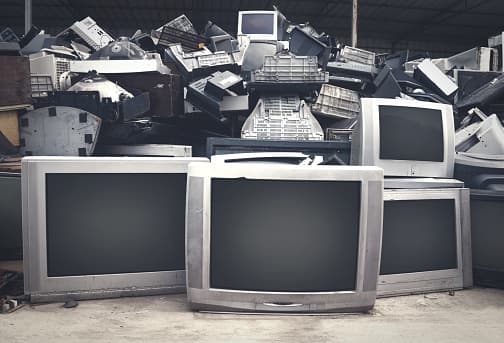
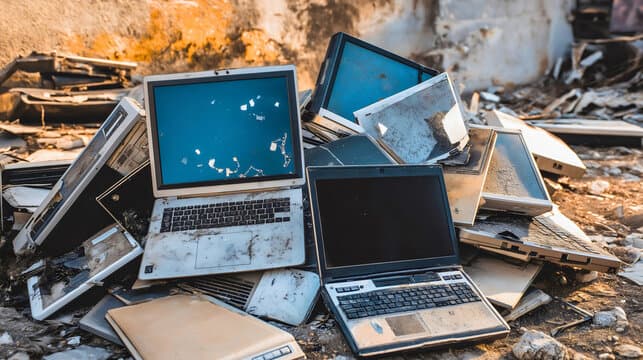
Display units should be recycled when they become outdated, damaged, or no longer functional. Storing old monitors or televisions for long periods often leads to unnecessary electronic waste accumulation.
Sending unused or broken display devices to a certified recycling facility ensures responsible disposal and material recovery.
Common situations where recycling is recommended include:
Display recycling programs support a wide range of devices from households, offices, and industrial environments. Certified recycling facilities can process different types of display equipment regardless of brand or condition.
Common devices accepted for recycling include:
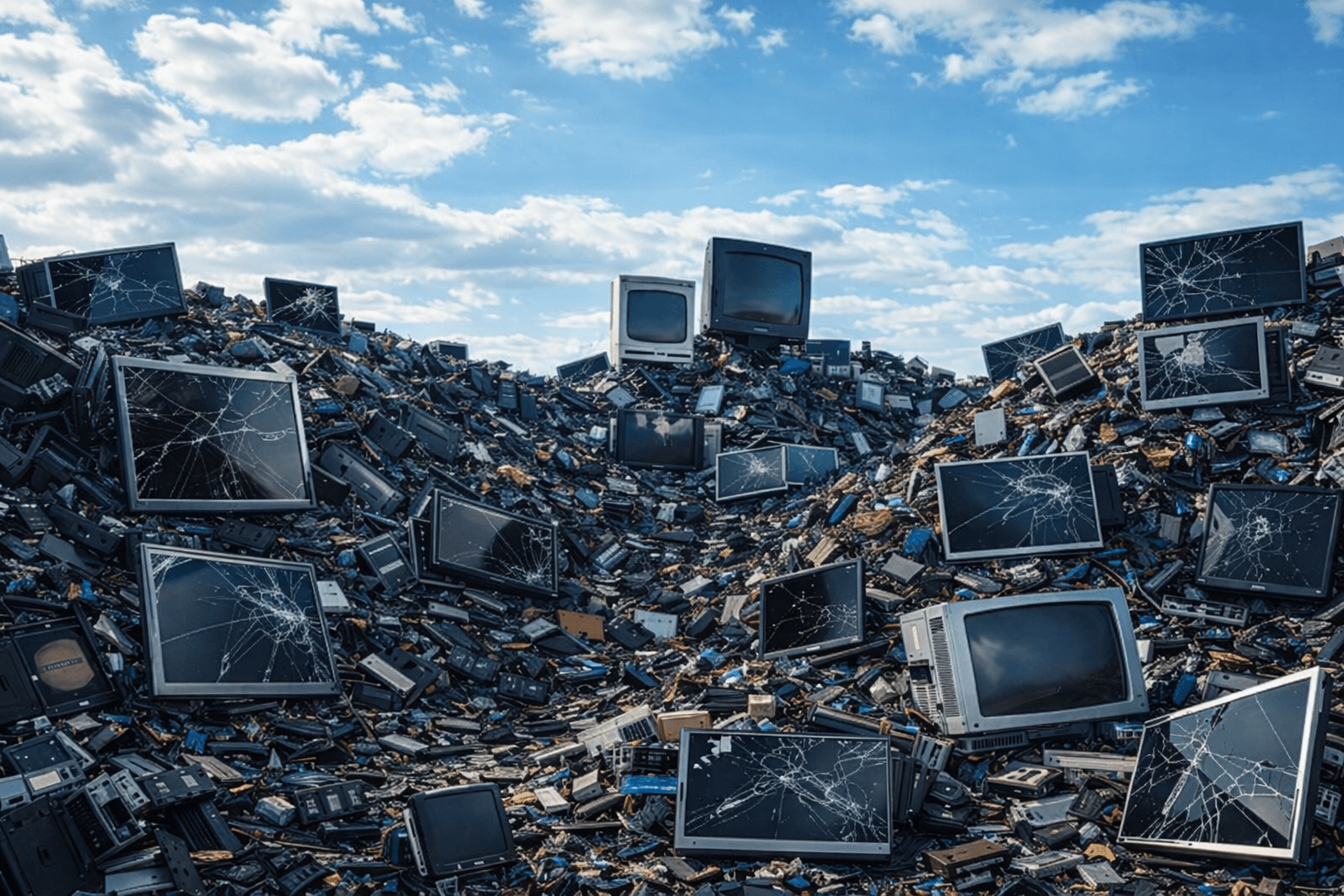
Recycling display units plays an important role in reducing electronic waste and conserving natural resources. By recovering metals, plastics, and glass components, recycling helps reduce the need for raw material extraction.
Responsible recycling also supports the circular economy by allowing recovered materials to be reused in future electronic manufacturing.
Key sustainability benefits include:
If you have old monitors, televisions, or display devices that need responsible recycling, our team can guide you through the process.
Need help? Chat with us
