
Stay updated with industry trends, regulatory changes, data security practices, and responsible recycling strategies from Bharat Recycling experts.
India is rapidly transitioning toward electric mobility, renewable energy, and sustainable manufacturing, driving unprecedented demand for lithium-ion batteries. From electric vehicles (EVs), smartphones, laptops, and power banks to renewable energy storage systems, lithium-ion batteries have become an essential part of modern technology and everyday life. However, as the use of lithium-ion batteries continues to grow, a critical question is becoming increasingly important: What happens to lithium-ion batteries when they reach the end of their useful life? This is where lithium-ion battery recycling in India plays a crucial role. Proper battery recycling and battery waste management can prevent valuable resources from being lost while helping businesses and industries manage end-of-life batteries responsibly. Lithium-ion battery recycling is no longer just about waste disposal. It is becoming an important component of India's circular economy, supporting resource recovery, critical mineral recovery, sustainable manufacturing, and the development of a more resilient battery supply chain. Through responsible lithium battery recycling, valuable materials such as lithium, nickel, cobalt, copper, aluminum, and other battery materials can be recovered and potentially returned to the manufacturing cycle. This helps reduce waste, improve resource efficiency, and reduce dependence on newly extracted raw materials. As India's EV industry, battery manufacturing ecosystem, and energy-storage market continue to expand, the demand for efficient and responsible EV battery recycling and lithium-ion battery recycling solutions is expected to grow significantly. The future of India's battery ecosystem depends not only on producing more batteries but also on building a responsible system to collect, recycle, and recover value from batteries at the end of their life.
Every product a business sells eventually reaches the end of its life. A phone stops charging. A television screen cracks. A batch of unsold inventory is written off. For most businesses, the responsibility for a product used to end at the point of sale. That assumption no longer holds. Under Indian environmental law, producers, importers, and brand owners now carry responsibility that extends well past the checkout counter, into how their products are collected, recycled, and disposed of once customers are done with them. This is the idea behind Extended Producer Responsibility, or EPR. So, what is EPR? In simple terms, EPR is a regulatory framework that makes producers of certain goods, most notably electrical and electronic equipment, responsible for ensuring their products are collected and recycled in an environmentally sound way after they become waste, rather than leaving that burden entirely on municipalities, consumers, or the environment. For any business that manufactures, imports, or sells electronics in India, understanding EPR isn't optional background reading. It's a compliance requirement with real operational and legal consequences.
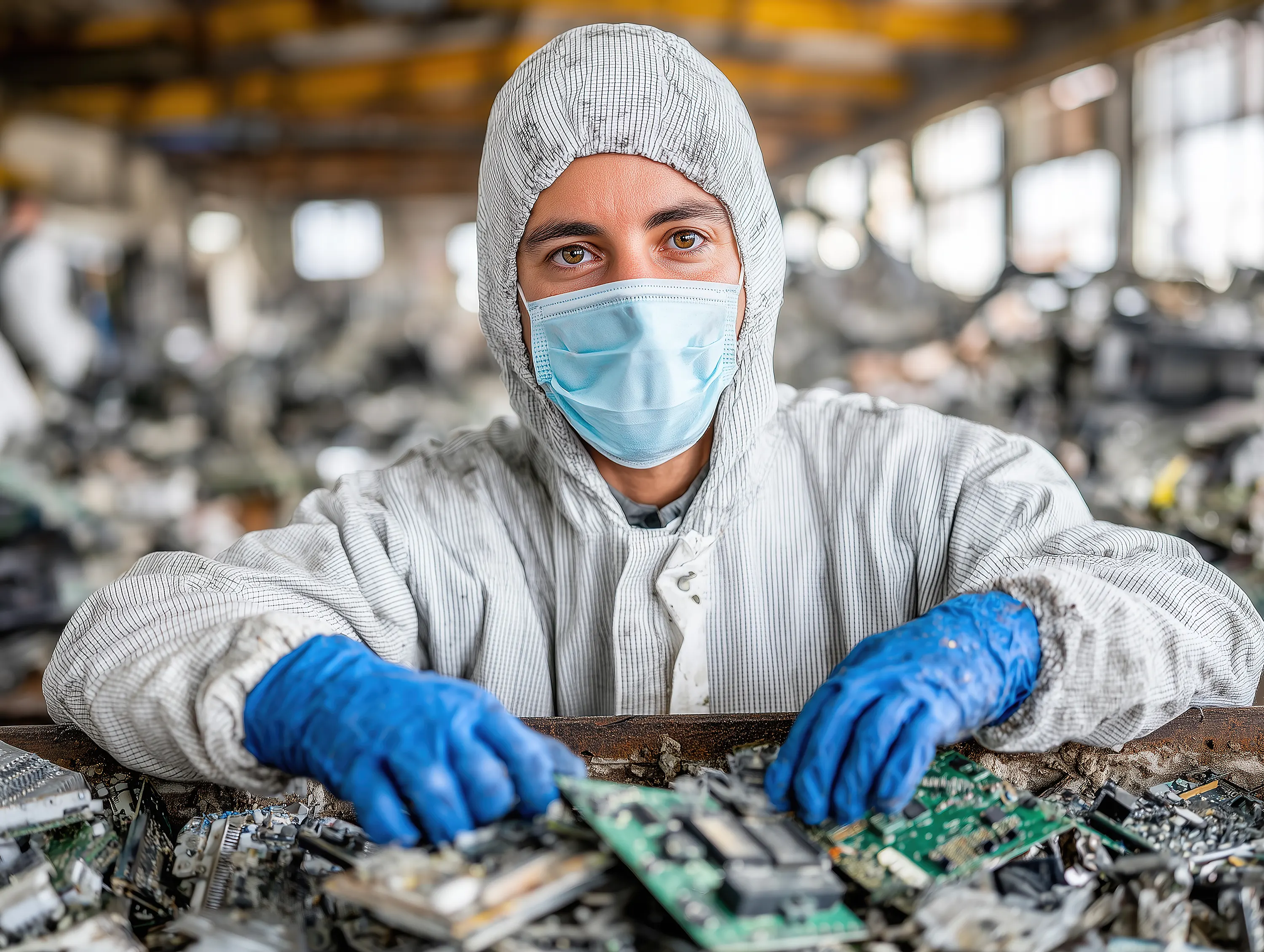
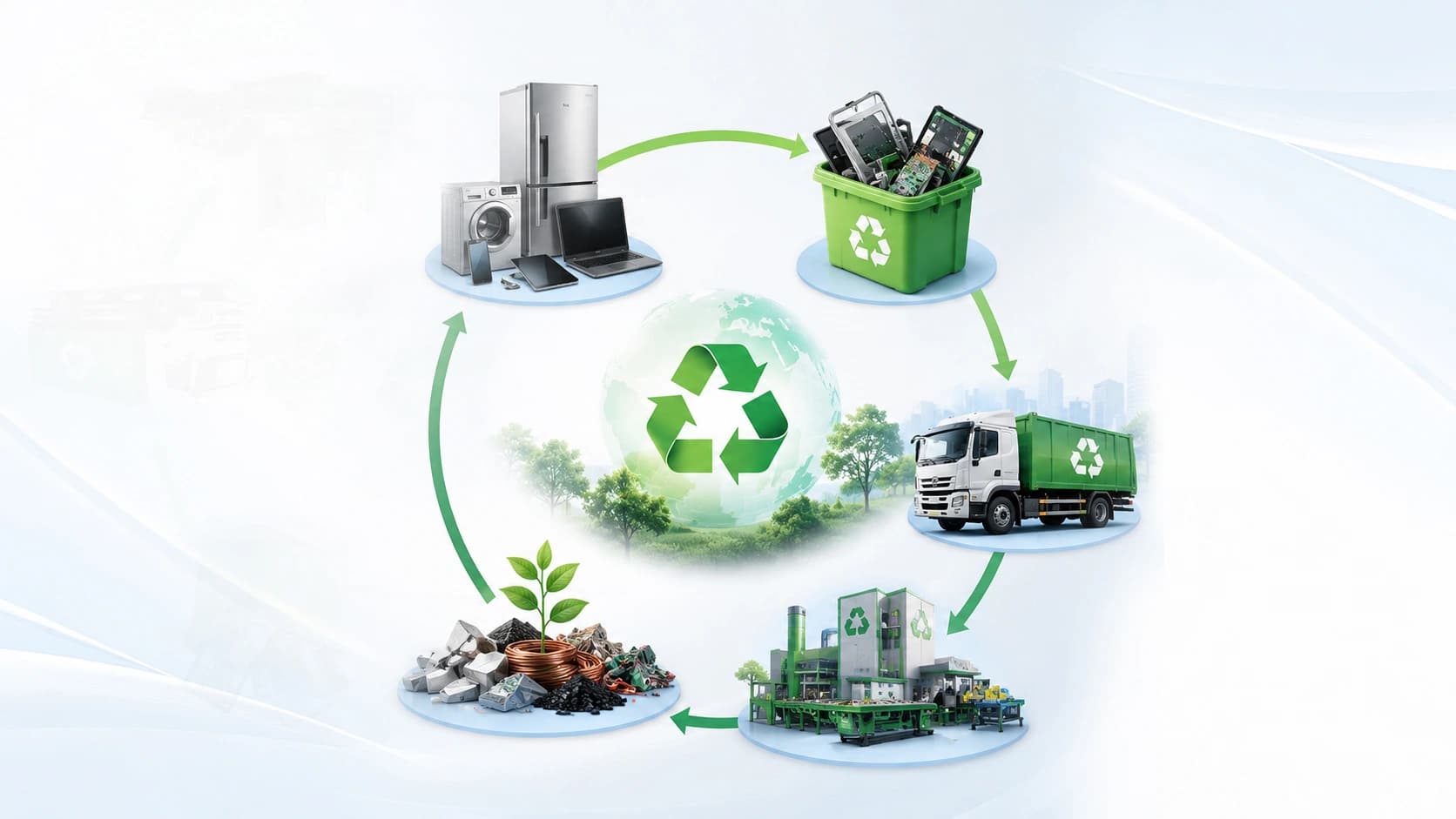
You probably have a drawer at home that you avoid opening. It's full of things like old phone chargers, a laptop with a cracked screen, a router you stopped using, and maybe a speaker or printer that quit working years ago. Most of us have an unofficial graveyard of electronics sitting in a drawer, a cupboard, or a garage shelf, not quite trash, not quite useful, just sitting there. And the reason it's there is simple: we don't really know what happens next. Do you throw it in the bin? Is that even legal? Does it actually get recycled, or does it just get shipped somewhere and forgotten? Here's the good news: there is an actual answer, and it's more interesting than you'd expect. The e-waste recycling process isn't a single mysterious step where old electronics disappear into a shredder and come out as gold bars (though, spoiler, gold is involved). It's a surprisingly precise, multi-stage operation that looks a lot more like a detective's investigation than a demolition job. Every device gets studied, sorted, dismantled, and mined for value before anything is actually thrown away. Let's walk through that process in full, and along the way, understand what electronic waste management really involves and how you can dispose of your own e-waste responsibly.
India is moving rapidly towards electric mobility. Electric two-wheelers are becoming common on city roads, electric three-wheelers are transforming last-mile transportation, state transport undertakings are adding electric buses, and almost every major automobile manufacturer is investing in electric vehicles. The numbers confirm that this is more than a passing trend. According to Government of India data, EV penetration increased from just 0.71% of vehicle registrations in FY 2019–20 to 7.50% in FY 2024–25. India has set an ambition of achieving around 30% EV share in total vehicle sales by 2030. But there is an important question that deserves more attention: Are electric vehicles truly the sustainable future of India, or are we replacing one environmental problem with another? For the recycling and waste-management industry, the answer cannot be based only on tailpipe emissions. The complete lifecycle of an EV must be considered — from mining lithium, nickel, cobalt, copper and other materials, to battery manufacturing, electricity generation, vehicle operation, second-life applications and, finally, recycling. The EV may be the future of Indian mobility. But whether that future is sustainable will depend heavily on what India does with the battery after the vehicle reaches the end of its useful life.
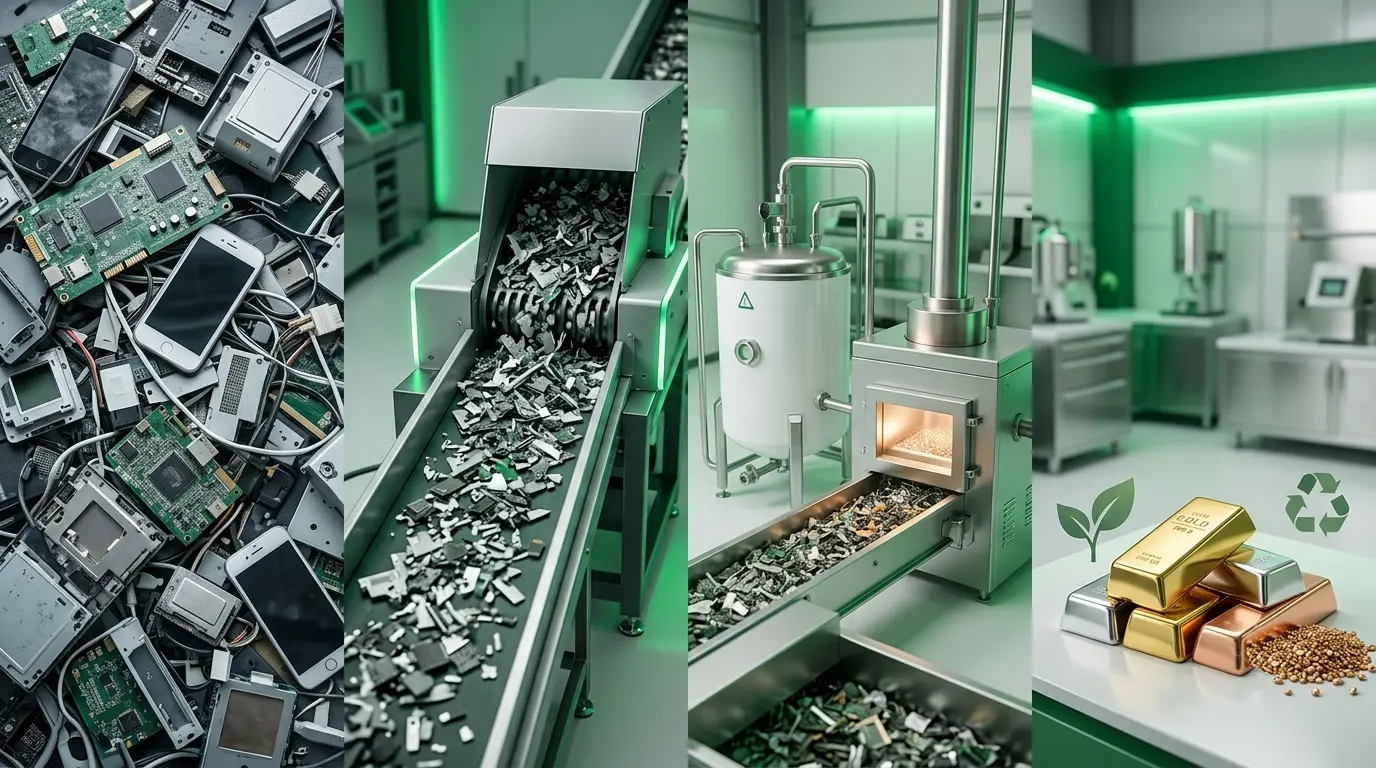
Electronic devices have become an essential part of modern life, powering everything from smartphones and laptops to industrial equipment and telecommunications infrastructure. What most people don't realize is that these devices also contain valuable metals — gold, silver, palladium, and platinum — hidden inside connectors, processors, and circuit boards When electronics reach the end of their useful life, this material shouldn't be treated as ordinary waste. Professional precious metal refining services exist to recover these resources safely and efficiently, extracting valuable metals from electronic waste, industrial scrap, and manufacturing by-products before they're lost to landfill. This recovery work plays a growing role in the circular economy. Instead of relying solely on new mining to meet demand for gold, silver, and other precious metals, refining allows materials already in circulation to be recovered, purified, and returned to the supply chain — reducing environmental impact while conserving finite natural resources. In this guide, we'll walk through what precious metal refining services actually involve, how the refining process works step by step, how gold and silver are specifically recovered from e-waste, and what to look for when choosing a precious metal refining company.
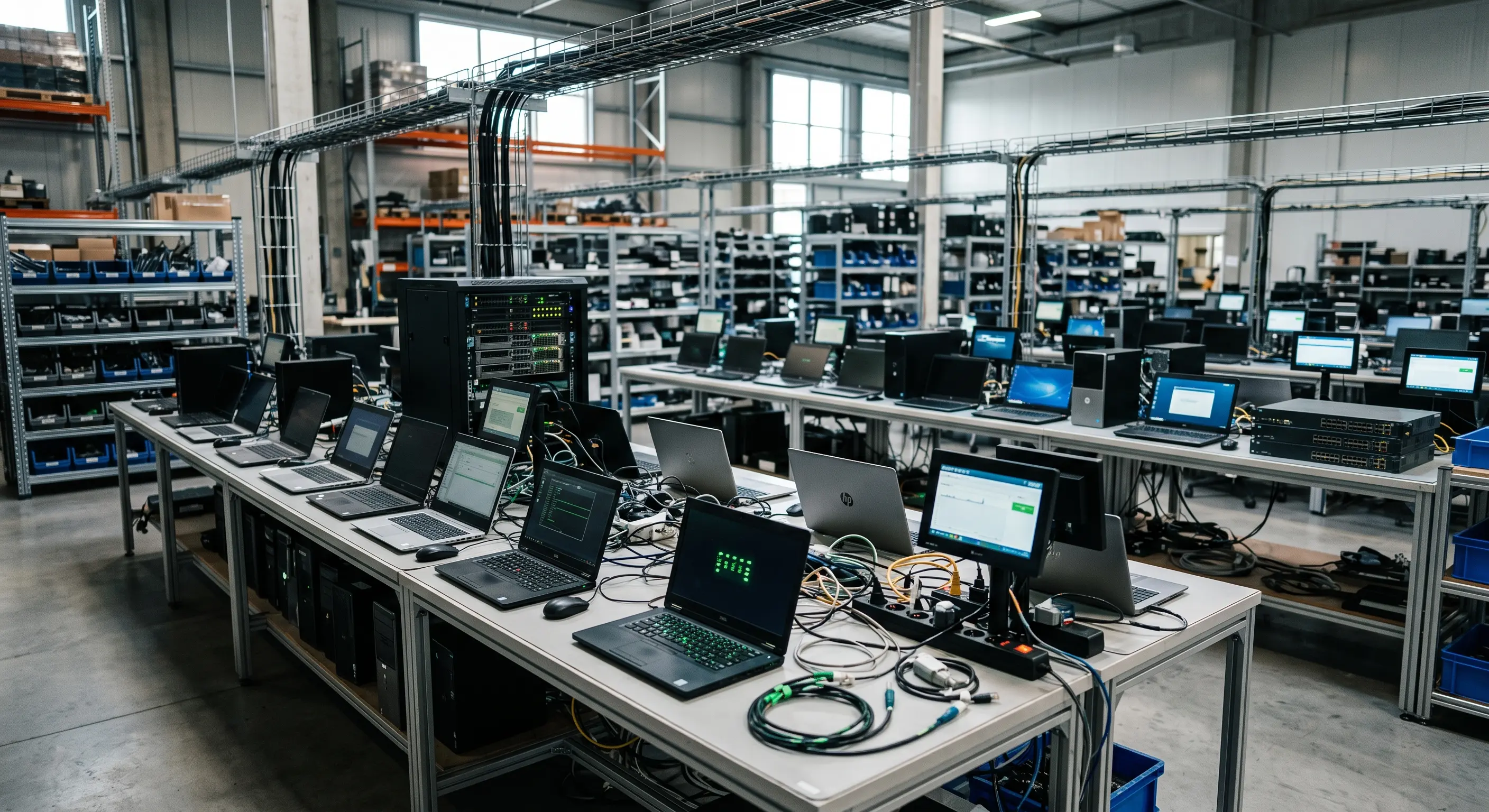
Every year, thousands of laptops, desktops, and servers are retired by Indian businesses long before they actually stop working. Most are upgraded, not broken. So what happens to them next is one of the most overlooked decisions in IT asset management — and it usually comes down to one word: refurbishment. If you have ever come across a refurbished laptop listing, wondered how companies recover value from old IT hardware, or researched how enterprises retire equipment responsibly, this guide answers the question properly: what is refurbishment, how does it work, and why is it becoming central to IT asset lifecycle management across India.
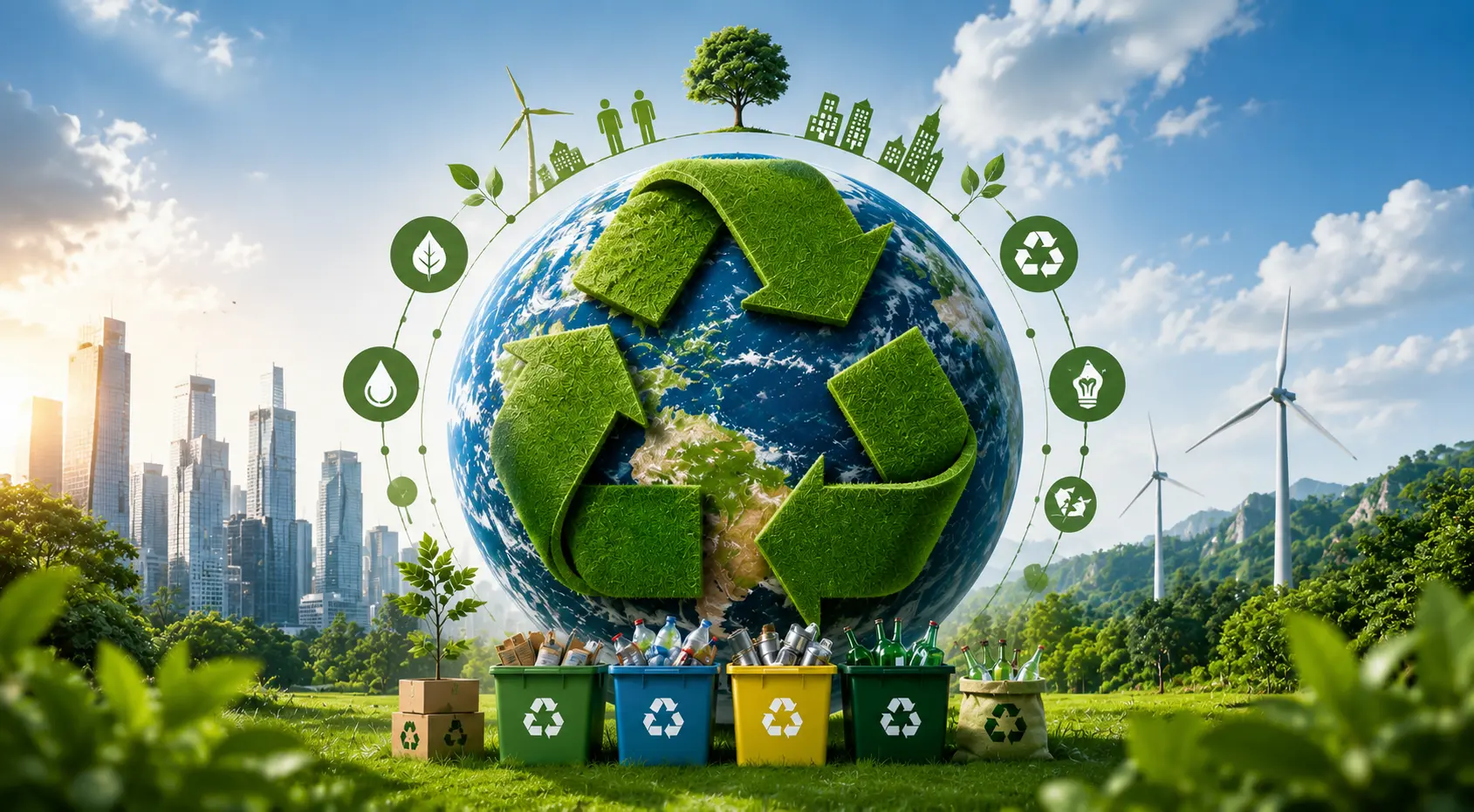
In today’s rapidly changing world, sustainability is no longer just an environmental concept — it has become a national responsibility. Countries across the globe are facing challenges such as climate change, pollution, resource depletion, and increasing waste generation. For any nation to grow economically while protecting its future generations, sustainability must become part of everyday life, industries, and governance. One of the most powerful tools to achieve sustainability is recycling.
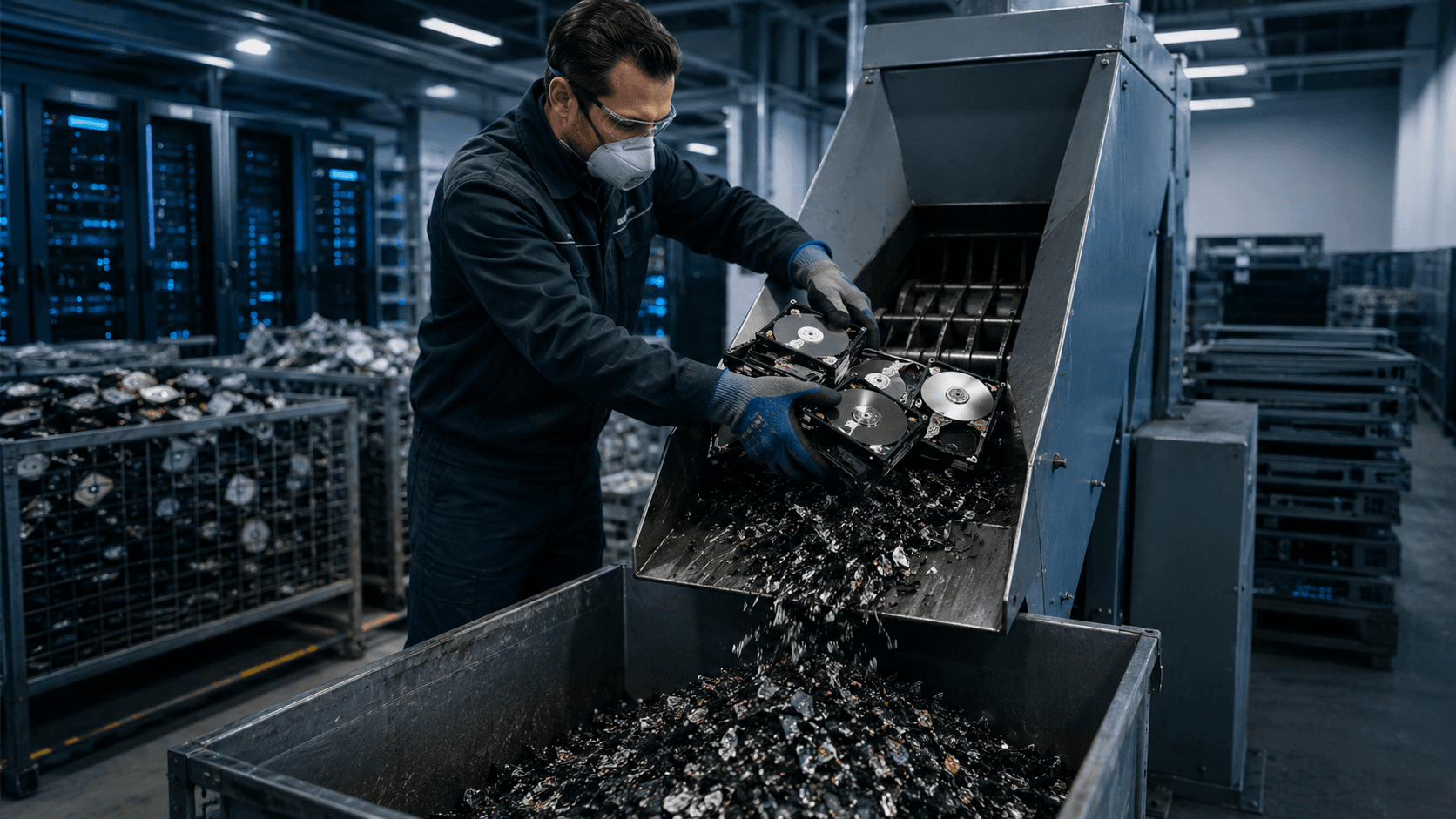
Across modern businesses and households, data has become one of the most valuable digital assets. From financial records and customer databases to personal photos, login credentials, and confidential files, hard drives store vast amounts of sensitive information that must be handled with care. However, when these devices reach the end of their lifecycle, many people overlook the risks associated with improper disposal. Throwing old hard drives away with general electronic waste is not only environmentally damaging but also exposes your data to serious security threats, including data breaches, identity theft, and unauthorized access. Even deleted files can often be recovered using advanced tools. This is where hard drive destruction services play a crucial role. By ensuring complete and permanent data destruction, these services help protect sensitive information while supporting safe, compliant, and eco-friendly e-waste recycling practices.
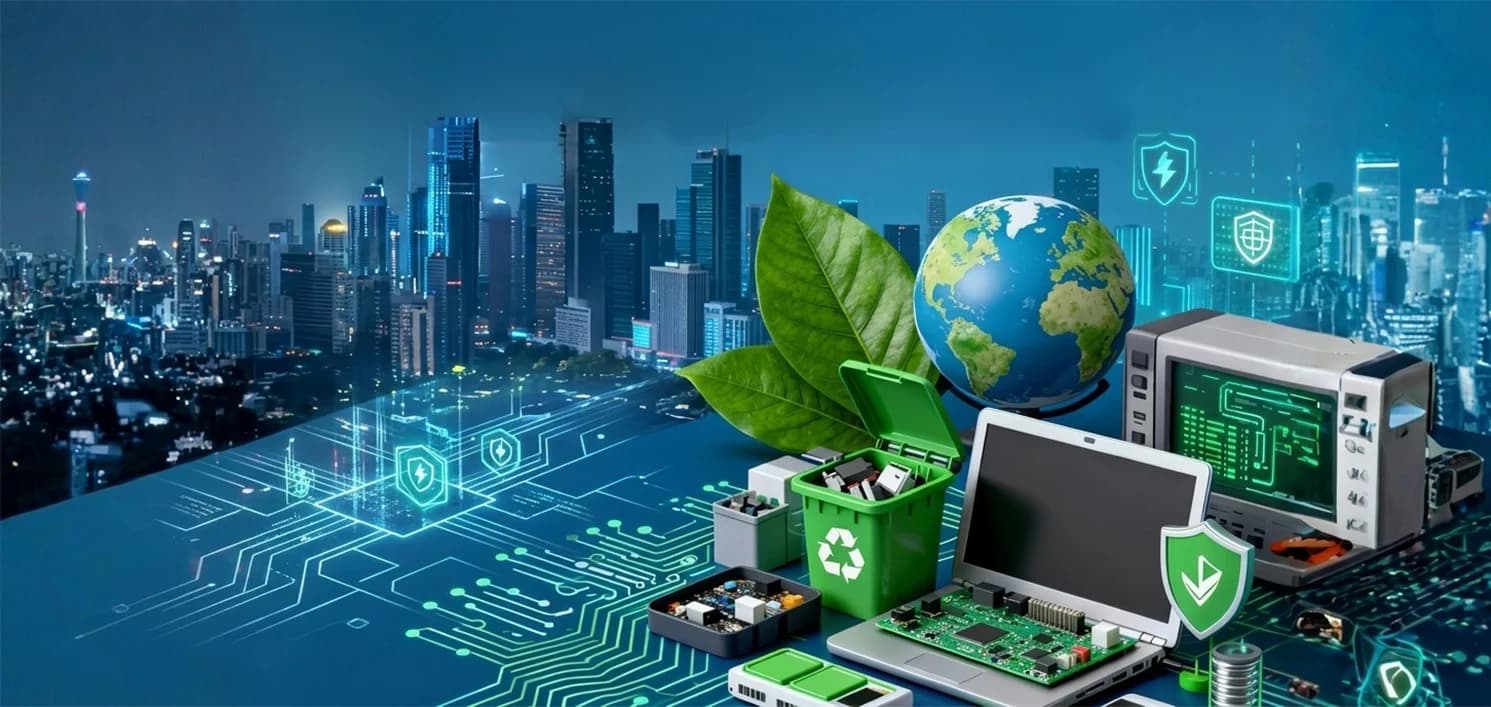
India is entering a decisive phase where rapid industrial growth must be balanced with environmental responsibility. The increasing volume of waste—particularly battery waste, ewaste, and tyre waste—poses both a challenge and an opportunity. In this evolving landscape, Bharat Recycling is emerging as a forward-thinking approach that aligns economic growth with sustainable development.
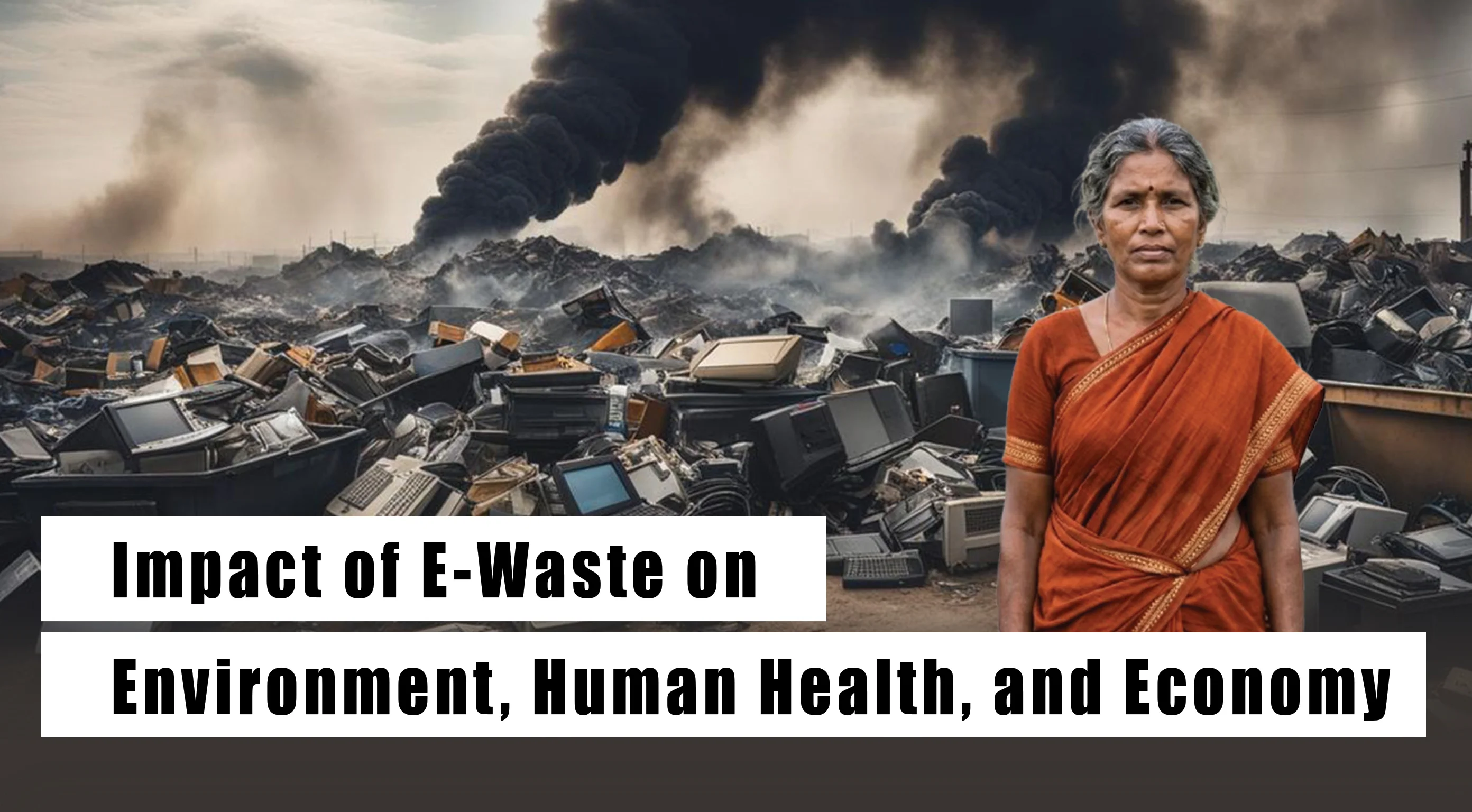
E-waste is one of the fastest-growing waste streams in the world, driven by rapid technological advancement and the increasing use of smartphones, laptops, and household appliances. Improper disposal of electronic waste can lead to severe environmental pollution, pose serious health risks, and create significant economic consequences. Toxic substances such as lead, mercury, and cadmium present in e-waste can contaminate soil, water, and air, while unsafe handling in informal recycling sectors exposes humans to dangerous chemicals. The effects of e-waste on the environment, human health, and the economy cannot be ignored. Proper e-waste disposal and electronic waste recycling are vital steps to conserve natural resources, reduce pollution, and support sustainable development for future generations. By tackling e-waste hazards, following effective e-waste management practices in India, and embracing the benefits of recycling, we can significantly reduce the harmful impact of e-waste pollution—protecting both communities and the planet.
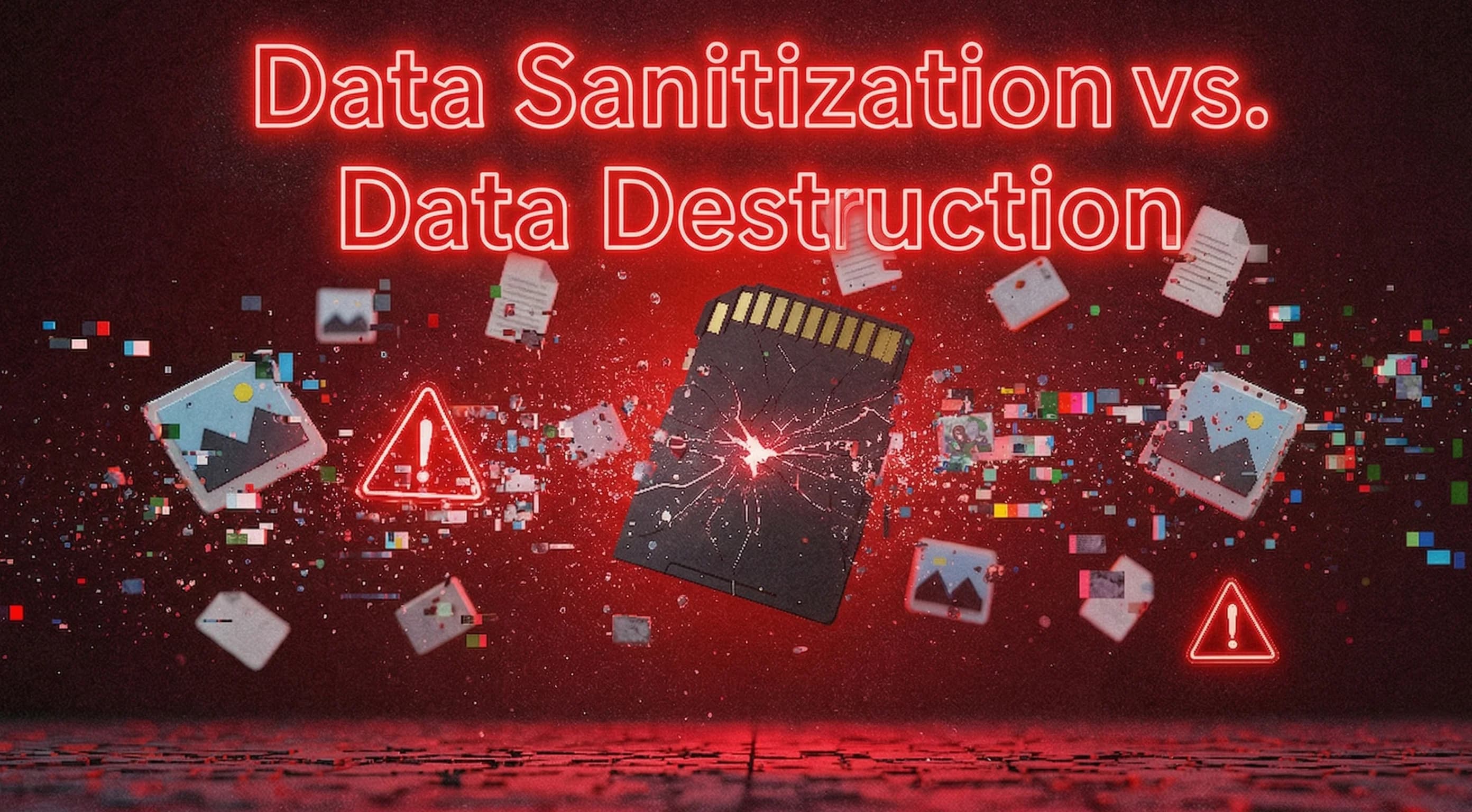
Old laptops gathering dust in storage rooms, retired servers tucked away in IT closets, and piles of unused hard drives often seem harmless. But beneath that layer of neglect lies a serious risk: these devices can still contain sensitive business data, from customer information to financial records. Many organizations assume that once a device is no longer in use, the data is no longer a concern. In reality, improperly handled IT assets can become an easy entry point for data breaches if they are recycled or resold without proper security measures. This is where understanding data sanitization vs. data destruction becomes critical. Both methods are designed to protect confidential information, yet they serve different purposes depending on your business needs. Knowing the difference between secure data disposal methods is essential for keeping your company’s information safe while responsibly managing old devices.
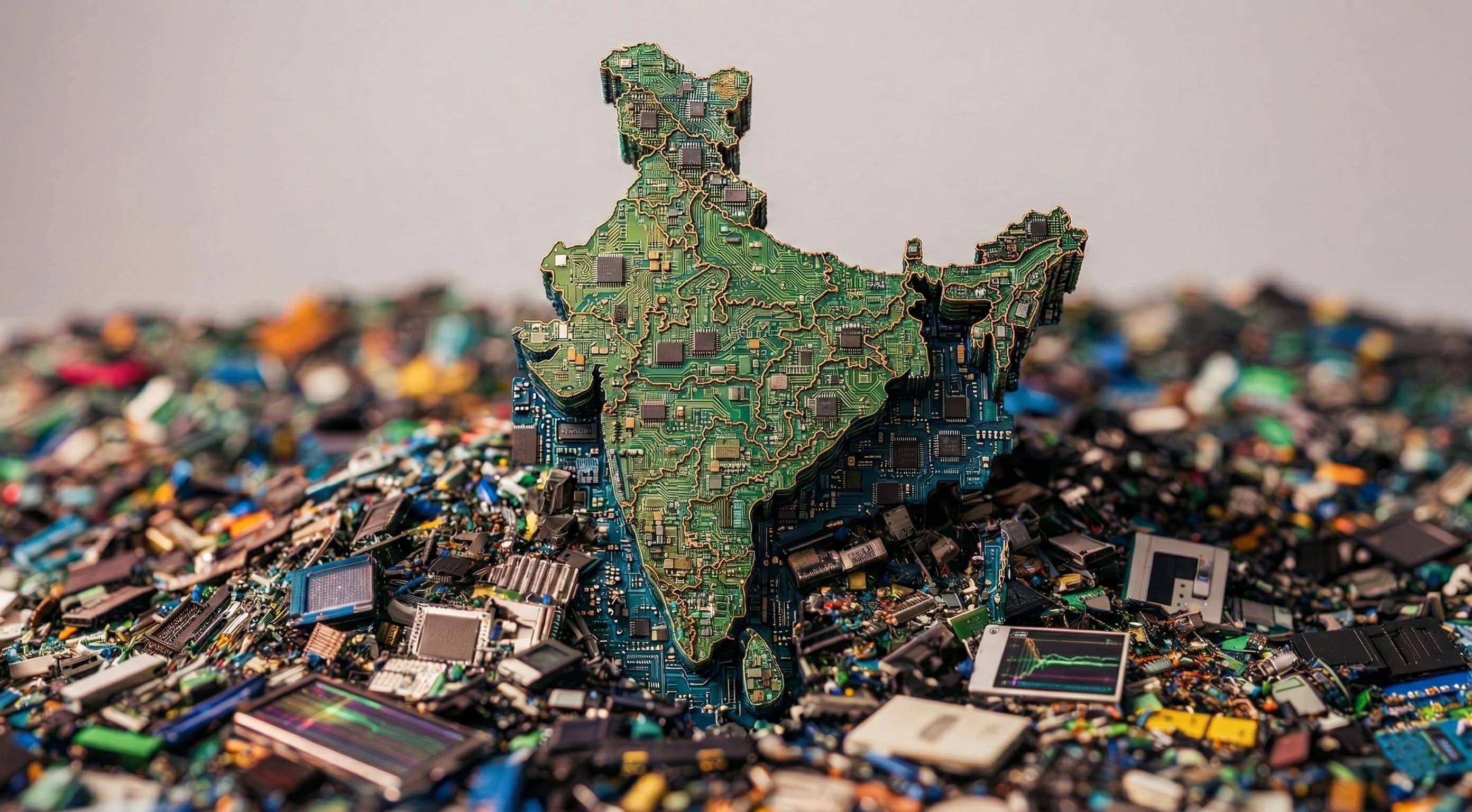
India's demand for electronic goods is among the fastest-growing in the globe. From smartphones and laptops to home appliances and office equipment, electronic products have become an inseparable part of our everyday lives. While this technological growth has made life more convenient, it has also given rise to a growing environmental concern—electronic waste, or e-waste. With millions of devices being replaced, upgraded, or discarded every year, e-waste management in India has become more important than ever. Improper disposal of electronic waste not only harms the environment but also poses serious risks to human health and leads to the loss of valuable natural resources. Managing e-waste responsibly is no longer a choice; it is a necessity for a sustainable future. In this blog, we explore what e-waste management is, why it matters in India, the environmental and health impacts of e-waste, and how responsible recycling and awareness can help solve this growing problem.
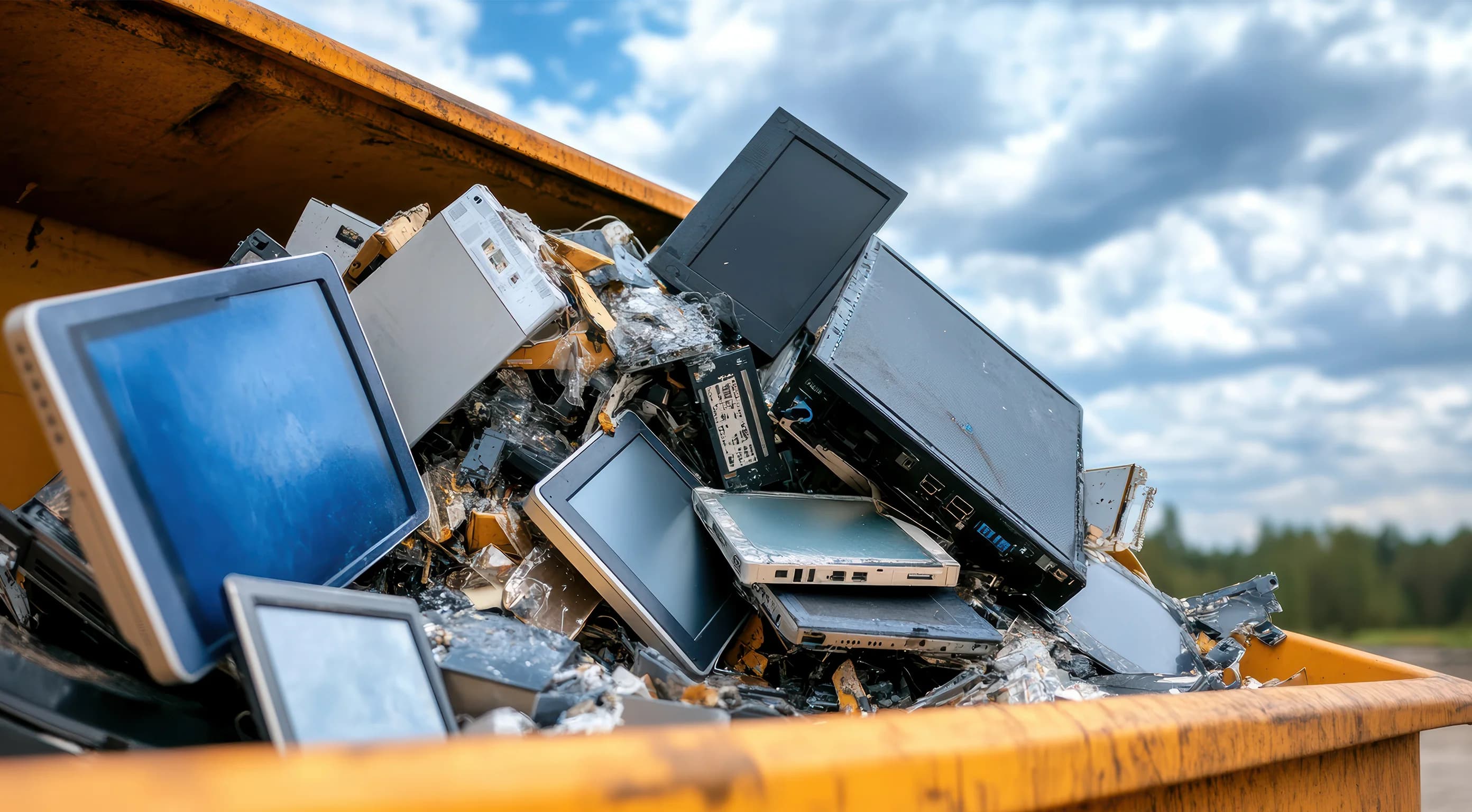
Electronic waste management has become a critical priority as technology continues to evolve at a rapid pace. From smartphones and laptops to televisions and household appliances, millions of electronic devices are replaced every year—leaving behind a growing volume of discarded equipment. Without proper handling, this e-waste can harm ecosystems, contaminate water sources, and pose serious health risks. That’s why responsible electronic waste recycling is more important than ever. By safely collecting and processing old electronics, we can recover valuable materials, mitigate environmental damage, and contribute to a more sustainable future. Let’s explore how effective e-waste solutions are transforming yesterday’s devices into tomorrow’s valuable resources.
Need help? Chat with us
