IT and electronic devices such as computers, laptops, servers, printers, and networking equipment eventually reach the end of their useful life. These devices contain valuable materials as well as electronic components that must be handled through responsible recycling systems.
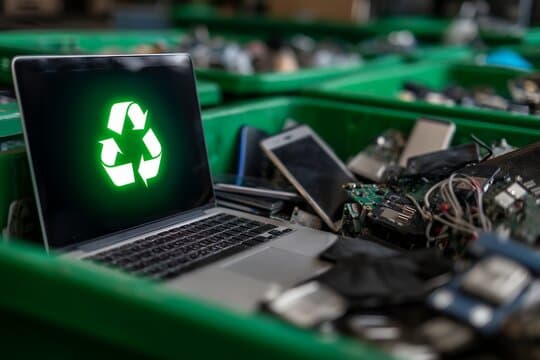
Businesses, institutions, and households frequently upgrade or replace electronic equipment as technology evolves. This results in large volumes of outdated or non-functional devices that must be managed responsibly.
If electronic equipment is discarded without proper recycling, valuable materials are wasted and hazardous components may harm the environment. Recycling through certified facilities ensures safe processing, material recovery, and compliance with electronic waste management standards.
Responsible recycling also supports sustainable technology usage by returning valuable materials back into the production cycle.
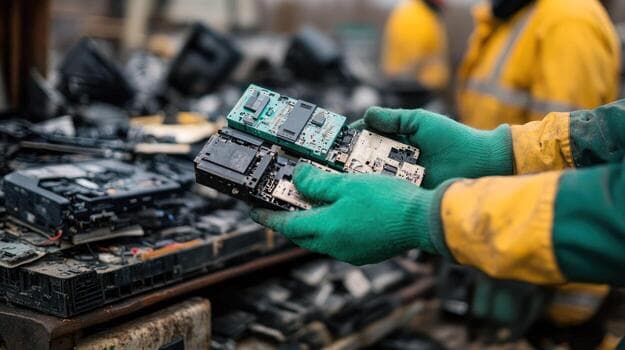
Electronic devices are built using a combination of metals, plastics, glass, and electronic components. Specialized recycling processes are required to separate these materials and recover valuable resources safely.
Common materials recovered from IT and electronic equipment include:
Improper disposal of electronic goods can lead to serious environmental problems. Many devices contain materials that can release harmful substances if they are dumped in landfills or processed through informal recycling methods.
Without proper recycling systems, electronic waste may contribute to soil contamination, water pollution, and air pollution.
Potential environmental risks include:
Discarding IT equipment and electronic devices without responsible recycling can create multiple risks for organizations and individuals. Electronic equipment must be handled through controlled processes to ensure safety, compliance, and environmental protection.
Improper handling may lead to material loss, environmental damage, and regulatory concerns.
Common risks include:
Certified recycling facilities use structured processes and advanced technologies to safely dismantle and recycle electronic equipment. These facilities ensure that valuable materials are recovered while hazardous components are handled responsibly.
Working with a certified recycling partner helps organizations manage electronic waste responsibly while maintaining environmental and regulatory compliance.
Benefits of certified recycling include:
At Bharat Recycling Pvt. Ltd., IT and electronic equipment is processed through a structured recycling workflow designed to ensure safe handling and efficient material recovery.
Our approach focuses on responsible collection, controlled dismantling, and environmentally compliant recycling procedures.
The recycling process typically includes:
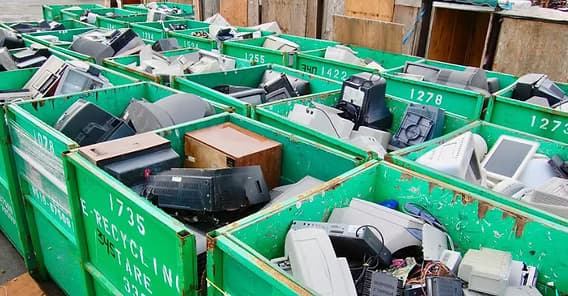
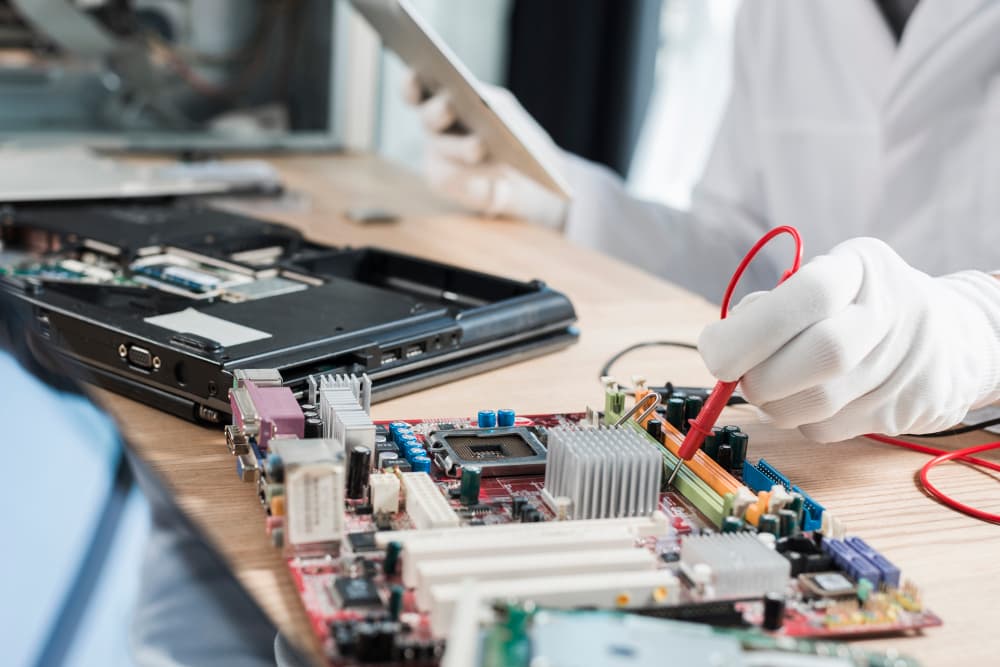
Electronic equipment should be recycled when devices become outdated, damaged, or no longer required. Proper recycling helps ensure responsible disposal while recovering valuable materials that can be reused in future manufacturing.
Instead of discarding devices through informal waste channels, sending them to certified recycling facilities ensures safe and compliant processing.
Common situations where recycling is recommended include:
Electronic recycling services support a wide range of devices from offices, institutions, industries, and households. Certified recycling facilities are equipped to process different types of electronic goods safely.
Common equipment accepted for recycling includes:
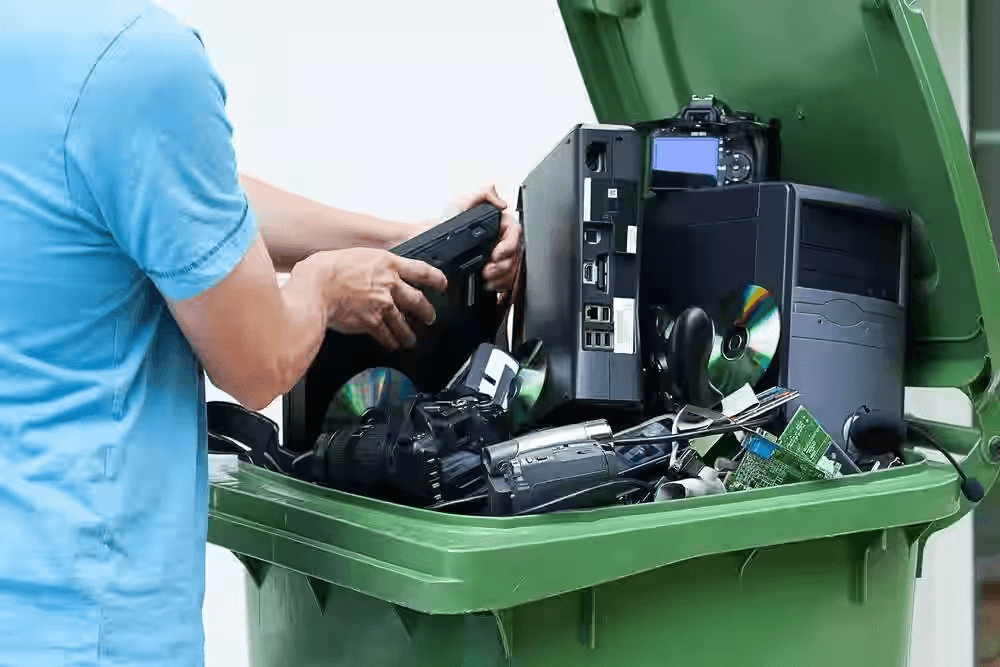
Recycling electronic goods helps recover valuable materials that would otherwise require energy-intensive mining and manufacturing. Responsible recycling reduces environmental impact while promoting the efficient reuse of resources.
Electronics recycling plays a key role in supporting a circular economy for technology products.
Key sustainability benefits include:
If you have outdated IT equipment or electronic devices that require responsible recycling, our team can help guide you through the process.
Need help? Chat with us
