Bharat Recycling and the Future of Sustainable Waste Management in India
.jpg&w=64&q=75)
Legal & Compliance Head
India is entering a decisive phase where rapid industrial growth must be balanced with environmental responsibility. The increasing volume of waste—particularly battery waste, ewaste, and tyre waste—poses both a challenge and an opportunity. In this evolving landscape, Bharat Recycling is emerging as a forward-thinking approach that aligns economic growth with sustainable development.
A New Vision for Recycling in India
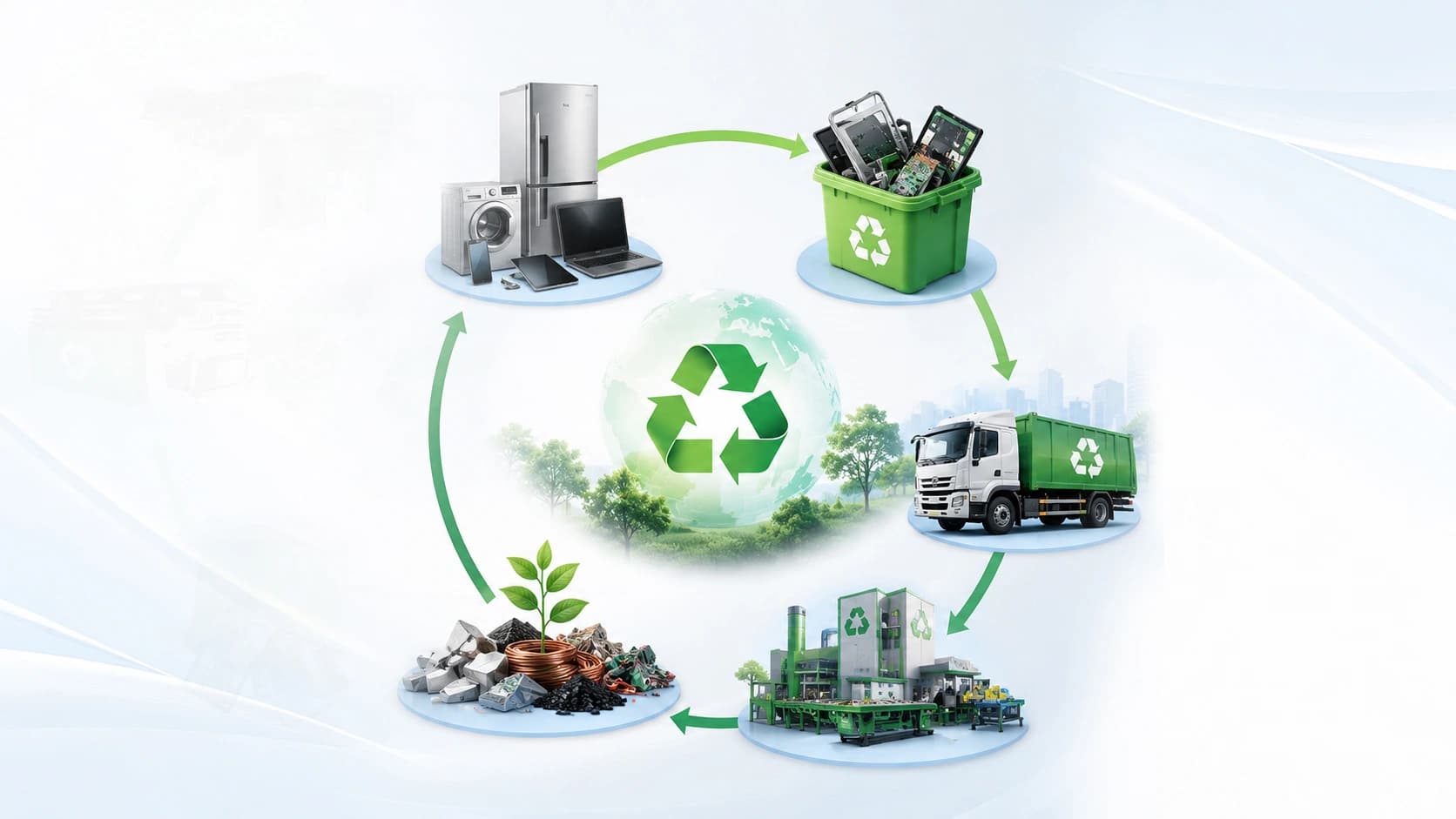
Bharat Recycling represents more than just waste processing—it reflects a systematic, responsible, and future-ready model. The focus is not only on disposal but on resource recovery, environmental protection, and long-term sustainability. With regulatory frameworks becoming stricter and awareness increasing, the recycling sector is now shifting toward organized, compliant, and technology-driven practices.
Battery Recycling: Powering Sustainability
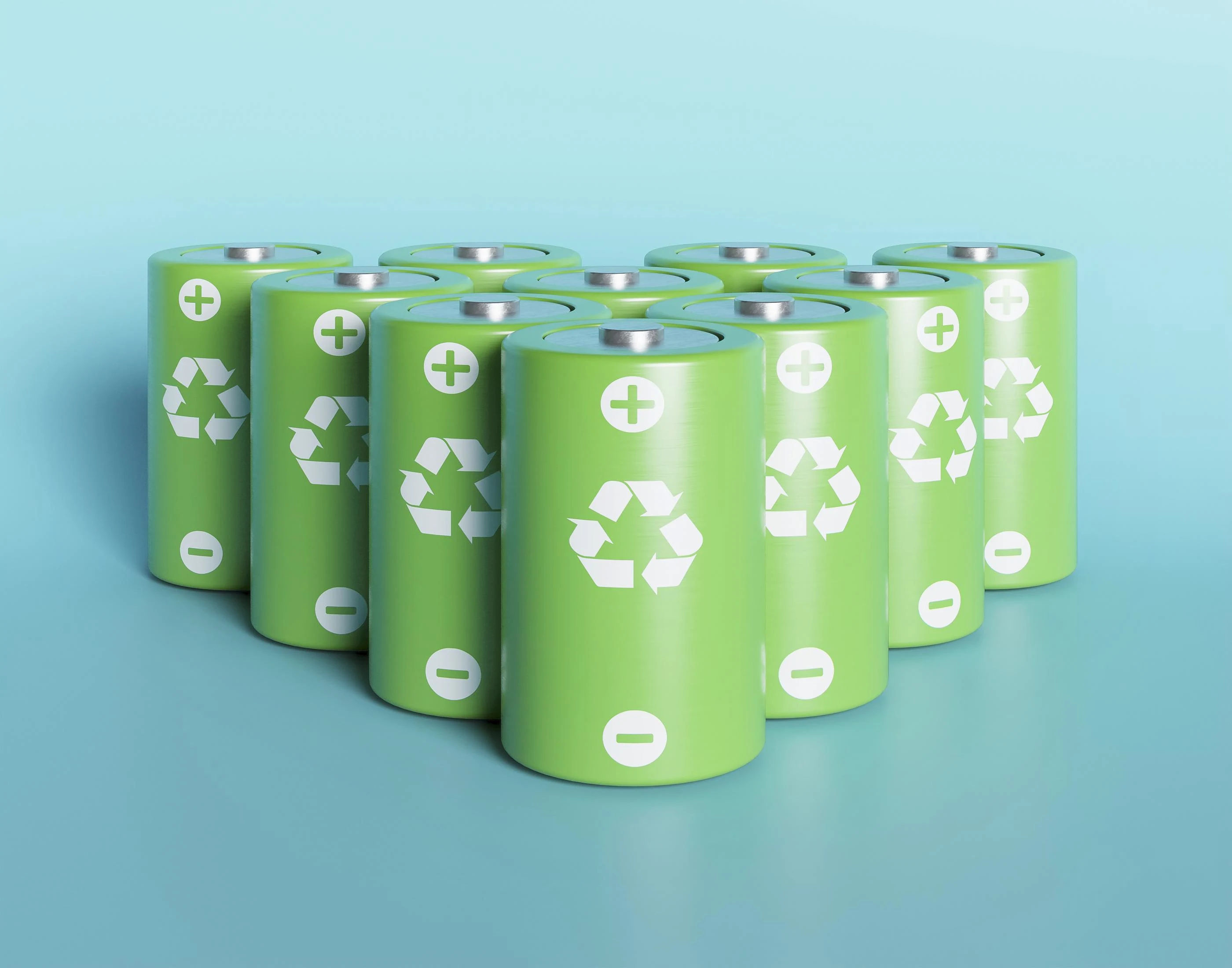
The rise of electric vehicles and renewable energy systems has led to a surge in battery usage. Consequently, battery waste is becoming a critical environmental concern.
If not handled properly, battery waste can:
- Contaminate soil and groundwater
- Release toxic chemicals
- Create fire and safety hazards
Bharat Recycling initiatives are focusing on:
- Safe collection and handling of lithium-ion batteries
- Recovery of valuable materials like lithium, cobalt, and nickel
- Reducing dependence on raw material extraction
This approach transforms battery waste into a valuable resource stream, supporting a circular economy.
E-Waste Management: Unlocking Hidden Value
India is one of the largest generators of e-waste, driven by rapid digitalization and technological upgrades. Devices such as computers, servers, and mobile phones contain both precious metals and hazardous substances.
A structured recycling system under Bharat Recycling emphasizes:
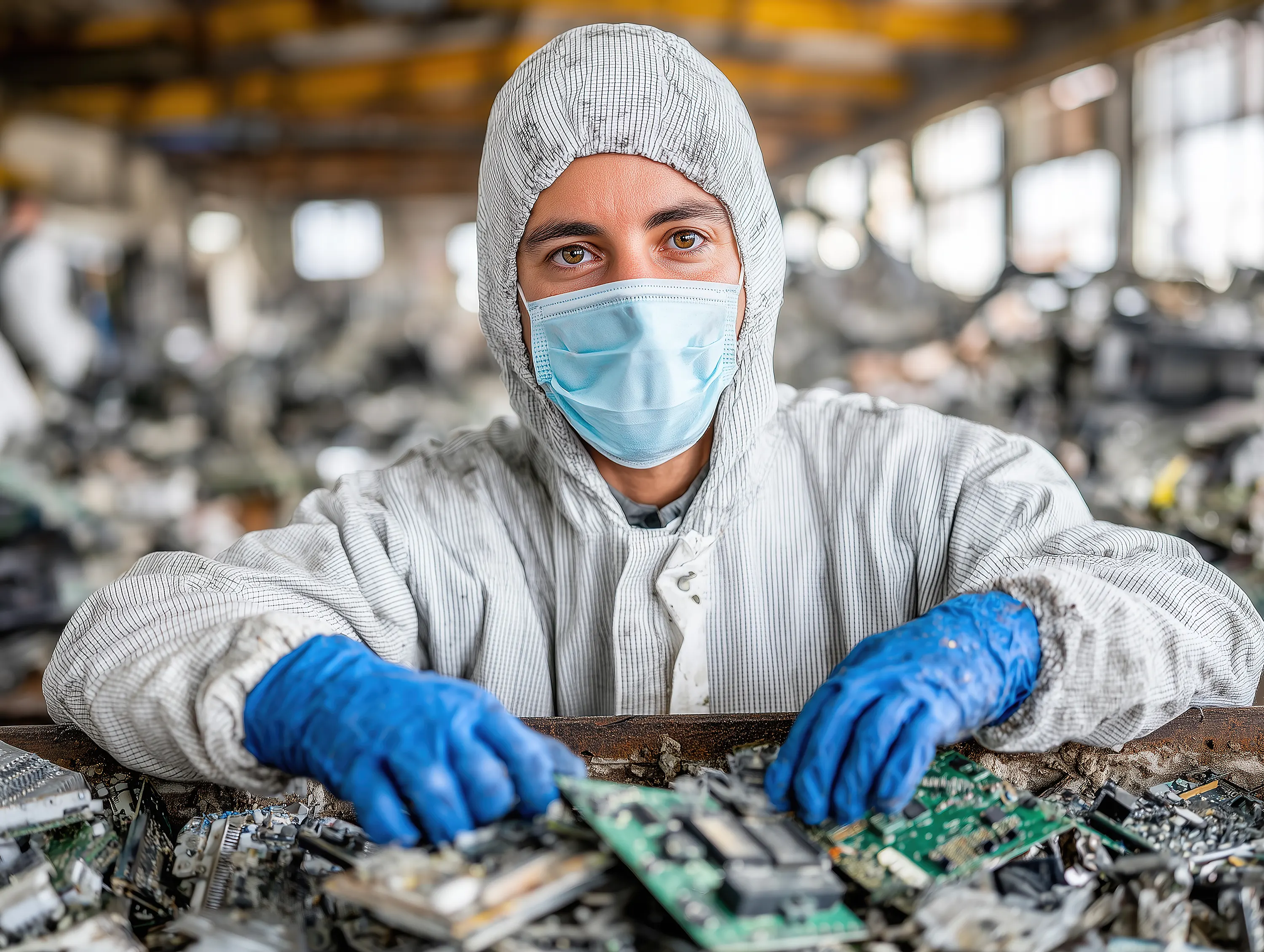
- Scientific dismantling processes
- Traceability and proper documentation
- Safe recovery of metals and components
This not only prevents environmental damage but also creates economic value from discarded electronics.
Tyre Recycling: Reducing Environmental Burden
Waste tyres are often overlooked but pose a serious environmental threat when improperly disposed of. Open burning or dumping leads to air pollution and long-term ecological harm.
Modern recycling solutions include:
- Conversion into fuel through advanced processes
- Reuse in infrastructure projects
- Production of recycled rubber materials
Bharat Recycling initiatives are increasingly integrating tyre waste into circular industrial applications, reducing landfill dependency.
Why Environmental Responsibility Must Come First
For recyclers, the approach toward waste management is no longer just about operations—it is about responsibility.
Prioritizing the environment ensures:
- Long-term sustainability of the business
- Compliance with evolving regulations
- Stronger credibility in domestic and global markets
- Contribution to national and global climate goals
On the other hand, neglecting environmental responsibility can lead to:
- Severe legal consequences
- Loss of reputation
- Irreversible environmental damage
The Way Forward
The success of Bharat Recycling depends on a collective effort involving:
- Responsible recyclers
- Technological advancements
- Strong policy implementation
- Industry-wide awareness
Recycling must evolve from an informal activity into a structured, transparent, and accountable system.
Conclusion
India’s journey toward sustainable development is closely linked with how effectively it manages its waste. Battery, e-waste, and tyre recycling are not just industries—they are essential components of environmental protection. Bharat Recycling stands as a model for how responsible practices can create both economic value and ecological balance. The message for every recycler is simple yet powerful: Sustainability is not an option—it is a responsibility. Put the planet first.