Why Sustainability Matters for a Nation —And How Recycling Builds a Better Future
.jpg&w=64&q=75)
Legal & Compliance Head
In today’s rapidly changing world, sustainability is no longer just an environmental concept — it has become a national responsibility. Countries across the globe are facing challenges such as climate change, pollution, resource depletion, and increasing waste generation. For any nation to grow economically while protecting its future generations, sustainability must become part of everyday life, industries, and governance. One of the most powerful tools to achieve sustainability is recycling.
Understanding Sustainability
Sustainability means using resources in a way that meets present needs without harming the ability of future generations to meet theirs. A sustainable country balances economic growth, environmental protection, and social well-being.
When a nation follows sustainable practices, it creates:
- Cleaner cities and healthier communities
- Reduced pollution and carbon emissions
- Better resource management
- Long-term economic stability
- Improved public health
- Stronger environmental protection
A country that ignores sustainability may experience severe environmental damage, shortage of natural resources, rising health issues, and economic losses in the future.
Why Sustainability Is Important for a Country
1. Protects Natural Resources
Natural resources such as water, forests, minerals, and fossil fuels are limited. Unsustainable consumption can exhaust these resources quickly. Sustainability encourages responsible usage and conservation so future generations can also benefit.
2. Reduces Pollution
Industrial waste, plastic disposal, and excessive emissions contribute heavily to air, land, and water pollution. Sustainable systems help reduce waste generation and encourage eco-friendly alternatives.
3. Strengthens the Economy
A sustainable economy creates long-term opportunities. Green industries, renewable energy, waste management, and recycling sectors generate employment while reducing dependency on imported raw materials.
4. Improves Public Health
Cleaner surroundings lead to fewer diseases caused by pollution and waste accumulation. Sustainable practices improve sanitation, air quality, and overall living standards.
5. Supports Climate Action
Climate change is one of the biggest threats facing the world today. Sustainability helps reduce greenhouse gas emissions and supports global efforts toward environmental protection.
How Recycling Helps Achieve Sustainability
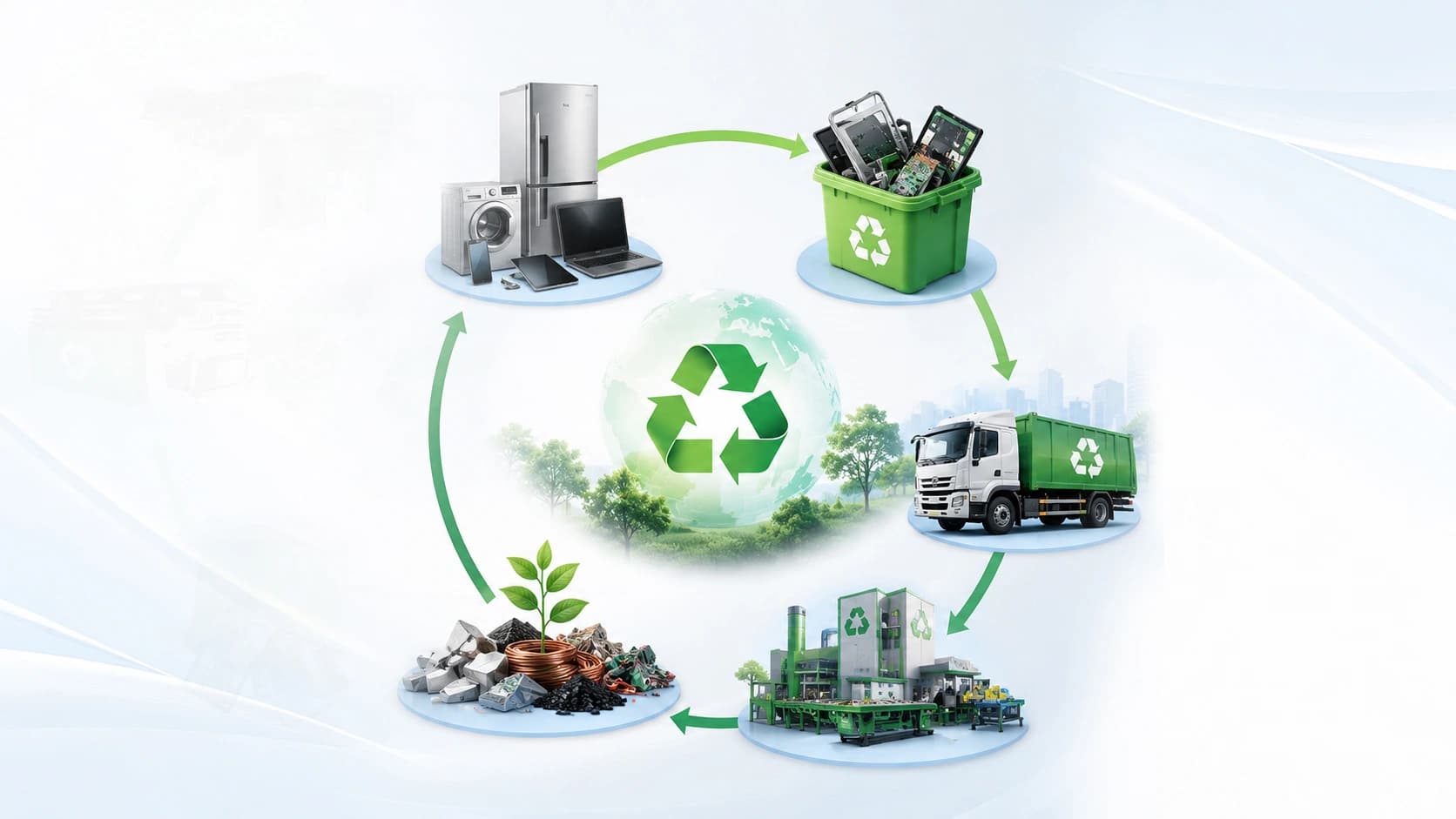
Recycling is the process of converting waste materials into reusable products. Instead of throwing waste into landfills, recycling allows materials to re-enter the production cycle.
It plays a major role in building a sustainable nation.
Reduces Waste in Landfills
Every day, tons of plastic, paper, metal, and electronic waste are dumped into landfills. Recycling reduces this burden and helps manage waste more efficiently.
Saves Energy
Manufacturing products from recycled materials often requires less energy compared to producing them from raw resources. For example, recycled aluminum uses significantly less energy than producing new aluminum.
Conserves Natural Resources
Recycling paper saves trees, recycling plastic reduces petroleum use, and recycling metals lowers mining activities. This helps preserve valuable natural resources.
Lowers Carbon Emissions
Recycling decreases the need for raw material extraction and heavy industrial processing, which directly reduces greenhouse gas emissions.
Creates Green Employment
The recycling industry generates jobs in waste collection, sorting, processing, manufacturing, logistics, and environmental management. It contributes to both economic and environmental development.
The Growing Importance of Plastic Recycling
Plastic waste has become one of the biggest environmental concerns worldwide. Since plastic takes hundreds of years to decompose, improper disposal harms rivers, oceans, wildlife, and human health.
Recycling plastic helps:
- Reduce environmental pollution
- Prevent marine waste accumulation
- Minimize landfill usage
- Promote circular economy practices
- Encourage responsible consumption
Countries implementing strong recycling policies are already witnessing cleaner environments and improved waste management systems.
Building a Sustainable Future Together
Sustainability is not only the responsibility of governments or industries — it requires participation from businesses, communities, and individuals alike. Small actions such as waste segregation, reducing single-use plastics, and supporting recycling initiatives can collectively create a major impact.
For a country to achieve true growth, development must go hand in hand with environmental responsibility. Recycling is one of the simplest yet most effective steps toward building a cleaner, greener, and more sustainable future.
The choices we make today will shape the world we leave for tomorrow.