Impact of E-Waste on Environment, Human Health, and Economy

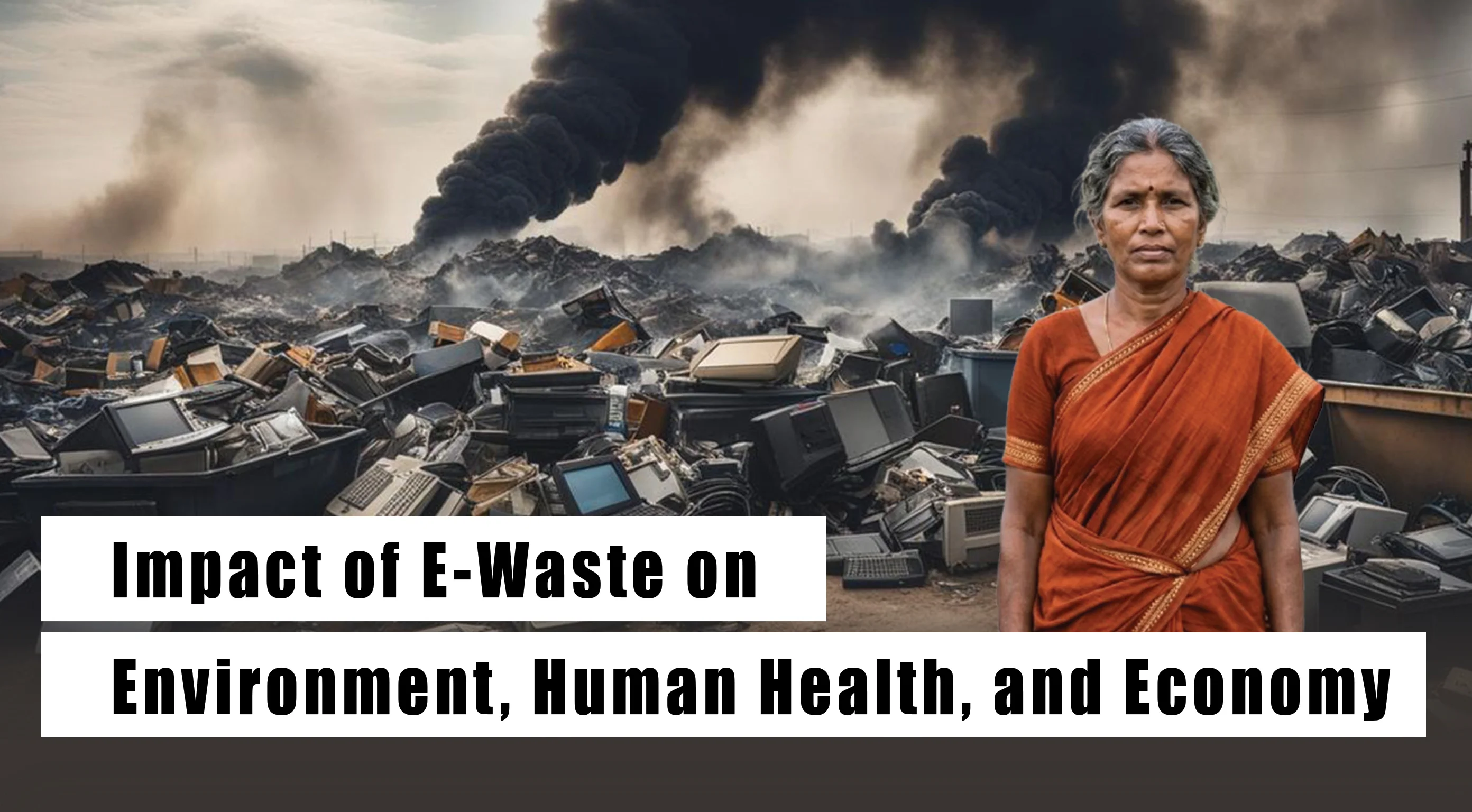
E-waste is one of the fastest-growing waste streams in the world, driven by rapid technological advancement and the increasing use of smartphones, laptops, and household appliances. Improper disposal of electronic waste can lead to severe environmental pollution, pose serious health risks, and create significant economic consequences. Toxic substances such as lead, mercury, and cadmium present in e-waste can contaminate soil, water, and air, while unsafe handling in informal recycling sectors exposes humans to dangerous chemicals. The effects of e-waste on the environment, human health, and the economy cannot be ignored. Proper e-waste disposal and electronic waste recycling are vital steps to conserve natural resources, reduce pollution, and support sustainable development for future generations. By tackling e-waste hazards, following effective e-waste management practices in India, and embracing the benefits of recycling, we can significantly reduce the harmful impact of e-waste pollution—protecting both communities and the planet.
Effects of E-Waste on the Environment
Improper disposal of electronic waste (e-waste) has serious consequences for the environment. When devices like old smartphones, laptops, and household appliances are dumped carelessly, toxic substances such as lead, mercury, cadmium, and brominated flame retardants can leach into soil and water. This contamination not only harms ecosystems but also affects crops, wildlife, and the quality of drinking water, creating long-term environmental challenges.
Some of the major environmental impacts of e-waste include:
- Soil contamination: Heavy metals and hazardous chemicals from e-waste degrade soil fertility, reducing agricultural productivity and affecting food safety.
- Water pollution: Toxins from discarded electronics can seep into rivers, lakes, and groundwater, polluting water sources and threatening aquatic life.
- Air pollution: Informal burning or open-air disposal of e-waste releases harmful gases and particulate matter, contributing to air pollution, respiratory problems, and climate change.
Implementing proper e-waste management in India and around the world is critical. Safe electronic waste recycling prevents environmental pollution and recovers valuable materials for reuse, helping reduce reliance on natural resources and supporting a circular economy.
Effects of E-Waste on Human Health
The growing concern about the impact of e-waste on human health is particularly evident in areas where informal electronic waste recycling occurs. Discarded electronic devices contain hazardous materials that can directly or indirectly affect human well-being. Unregulated recycling sectors and nearby communities often expose people to toxic chemicals without proper protection.
When e-waste is not properly disposed of, harmful substances such as lead, mercury, cadmium, and other heavy metals can enter the human body through air, water, or direct contact. Over time, this exposure can lead to serious and sometimes irreversible health conditions.
Some of the major health risks of e-waste include:
- Neurological damage: Toxic metals such as lead and mercury can affect brain development and cognitive function, particularly in children, leading to learning disabilities and behavioral issues.
- Respiratory problems: Burning electronic waste releases dangerous fumes and fine particles that can cause asthma, bronchitis, and other lung diseases.
- Kidney and liver damage: Long-term exposure to chemicals such as cadmium can impair these organs, affecting the body’s ability to filter toxins.
- Skin diseases and cancer risks: Direct contact with hazardous substances in e-waste can cause skin irritation, allergies, and increase the risk of cancer over time.
Raising awareness about e-waste hazards and encouraging proper e-waste disposal is essential to protect public health. Adopting safe e-waste management practices and promoting responsible electronic waste recycling can significantly reduce these health risks and create a safer environment for everyone.
Economic Consequences of E-Waste Pollution
The growing problem of e-waste pollution is not just an environmental or health issue—it also has serious economic consequences. When electronic waste recycling is ignored, valuable resources are lost, and the cost of managing pollution continues to rise. Both developed and developing economies, including India, face significant financial challenges due to improper e-waste management.
Some of the major economic impacts of e-waste include:
- Loss of valuable resources: Discarded electronics contain precious metals such as gold, silver, copper, and rare earth elements. Improper e-waste recycling results in resource wastage, heightening the demand for costly mining and hastening resource depletion.
- High environmental cleanup costs: E-waste pollution leads to soil, water, and air contamination, requiring costly cleanup and remediation efforts. Governments and organizations often spend large amounts on restoring affected ecosystems.
- Increased healthcare expenses: Communities exposed to e-waste hazards often suffer from chronic illnesses, leading to higher medical costs and putting additional pressure on healthcare systems.
On the other hand, investing in proper electronic waste recycling and efficient e-waste management systems can create significant economic benefits. Recycling helps recover valuable materials and generates employment opportunities, supports the circular economy, and promotes long-term sustainable economic growth.
Why is E-Waste Recycling Important?
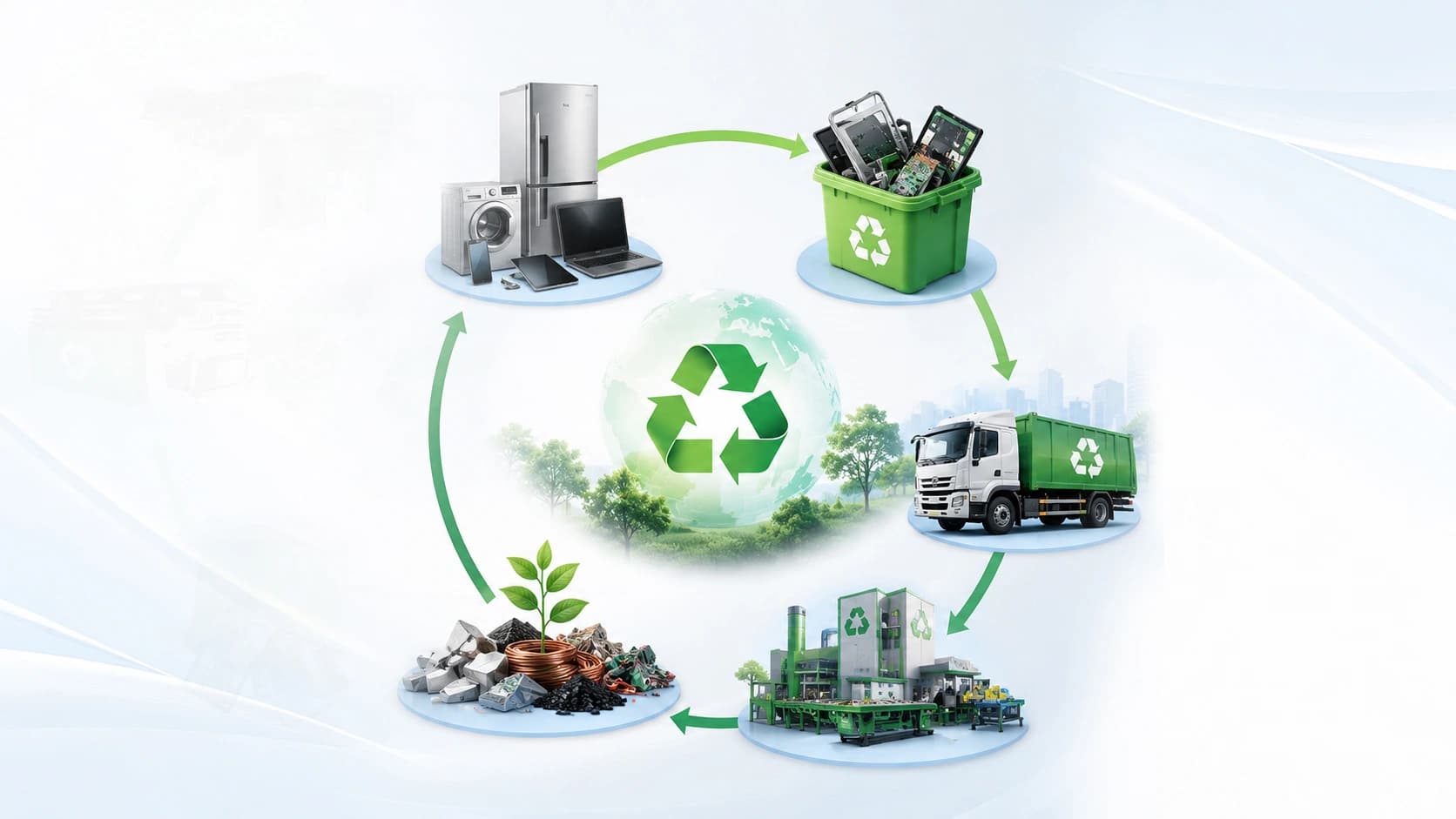
E-waste recycling is more than just a responsible habit—it plays a crucial role in protecting the environment, improving human health, and supporting economic growth. With the rapid rise in electronic waste, adopting proper recycling practices has become essential for a sustainable future.
Benefits of E-Waste Recycling:
- Reduces environmental pollution: Safe e-waste disposal prevents toxic chemicals from contaminating soil, water, and air, reducing overall e-waste pollution.
- Conserves natural resources: E-waste recycling helps recover valuable metals like gold, copper, and aluminum, reducing the need for mining and supporting a circular economy.
- Minimizes health risks: Proper handling of e-waste hazards lowers exposure to harmful substances, protecting communities and workers from serious health issues.
- Supports economic growth: The e-waste management industry creates jobs in recycling, refurbishing, and material recovery, contributing to sustainable economic development.
Governments, including India, are strengthening e-waste management regulations to encourage safe and formal recycling practices. Choosing authorized e-waste recycling channels over informal methods is key to reducing risks and maximizing long-term benefits.
What Happens if E-Waste is Not Recycled?
When e-waste is not recycled properly, it creates serious environmental, health, and economic problems. The lack of proper e-waste management allows hazardous materials and valuable resources to go to waste, causing long-term damage.
Consequences of Improper E-Waste Disposal:
- Increased environmental pollution: Toxic chemicals from electronic waste continue to contaminate soil, water, and air, worsening e-waste pollution and harming ecosystems.
- Loss of valuable resources: Precious metals like gold, silver, and copper are lost when e-waste recycling is ignored, increasing dependence on mining and depleting natural resources.
- Rise of informal recycling practices: Unsafe methods such as burning and acid treatment expose workers to dangerous e-waste hazards, leading to serious health risks.
- Missed economic opportunities: Without proper resource recovery from e-waste, industries lose out on the benefits of urban mining and sustainable material reuse.
These challenges emphasize the critical need to promote electronic waste recycling, spread awareness about e-waste recycling benefits, and adopt responsible e-waste disposal practices to protect both people and the environment.
Ways to Reduce E-Waste Impact on Health and Environment
Reducing the impact of e-waste on the environment and human health starts with simple, responsible actions. Both individuals and businesses can play a key role in minimizing e-waste pollution and promoting sustainable practices.
Effective Ways to Reduce E-Waste:
- Proper E-Waste Disposal: Always use authorized or certified e-waste collection centers to ensure safe handling and reduce electronic waste pollution.
- Electronic Waste Recycling: Take part in e-waste recycling programs and drives to recover valuable materials and support sustainable waste management.
- Extend Product Life: Repair, upgrade, or donate old devices to reduce electronic waste generation and promote reuse.
- Reduce Overconsumption: Buy only essential gadgets and choose durable, energy-efficient products to limit future e-waste production.
- Spread Awareness: Educate others about e-waste hazards, the health risks of e-waste, and the importance of responsible recycling.
Taking these small but meaningful steps can significantly lower the environmental impact of e-waste, protect public health, and support a more sustainable and circular economy.
Conclusion
The growing challenge of e-waste management calls into question the need for long-term, sustainable solutions. As the volume of electronic waste continues to rise, it becomes increasingly important to shift towards responsible consumption and efficient e-waste recycling systems. Strengthening awareness, encouraging innovation in recycling technologies, and supporting formal electronic waste recycling channels can make a significant difference in reducing the overall e-waste impact.not
Focusing on smarter policies, improved infrastructure, and active participation from individuals and businesses can transform how we handle e-waste pollution. By embracing sustainable practices and prioritizing proper e-waste disposal, we can move closer to a future where resources are used efficiently, environmental damage is minimized, and economic opportunities are maximized. Today, we can ensure a cleaner, safer, and more sustainable tomorrow through collective effort.