E-Waste Management in India: What It Is, Why It Matters, and How It Can Be Solved

India's demand for electronic goods is among the fastest-growing in the globe. From smartphones and laptops to home appliances and office equipment, electronic products have become an inseparable part of our everyday lives. While this technological growth has made life more convenient, it has also given rise to a growing environmental concern—electronic waste, or e-waste. With millions of devices being replaced, upgraded, or discarded every year, e-waste management in India has become more important than ever. Improper disposal of electronic waste not only harms the environment but also poses serious risks to human health and leads to the loss of valuable natural resources. Managing e-waste responsibly is no longer a choice; it is a necessity for a sustainable future. In this blog, we explore what e-waste management is, why it matters in India, the environmental and health impacts of e-waste, and how responsible recycling and awareness can help solve this growing problem.
What Is E-Waste Management?
E-waste management is the structured and environmentally responsible process of collecting, segregating, storing, transporting, recycling, and disposing of electronic waste in compliance with government regulations and environmental standards. It focuses on minimizing environmental damage while maximizing the recovery of valuable resources from discarded electronics.
Electronic waste, commonly known as e-waste, includes any electrical or electronic equipment that has reached the end of its useful life or is no longer in use. This covers a wide range of products, such as:
- Mobile phones, chargers, and accessories
- Computers, laptops, servers, and peripheral devices
- Televisions, monitors, and display panels
- Equipment for the home, including air conditioners, washing machines, and refrigerators
- Batteries, printed circuit boards (PCBs), wires, and cables
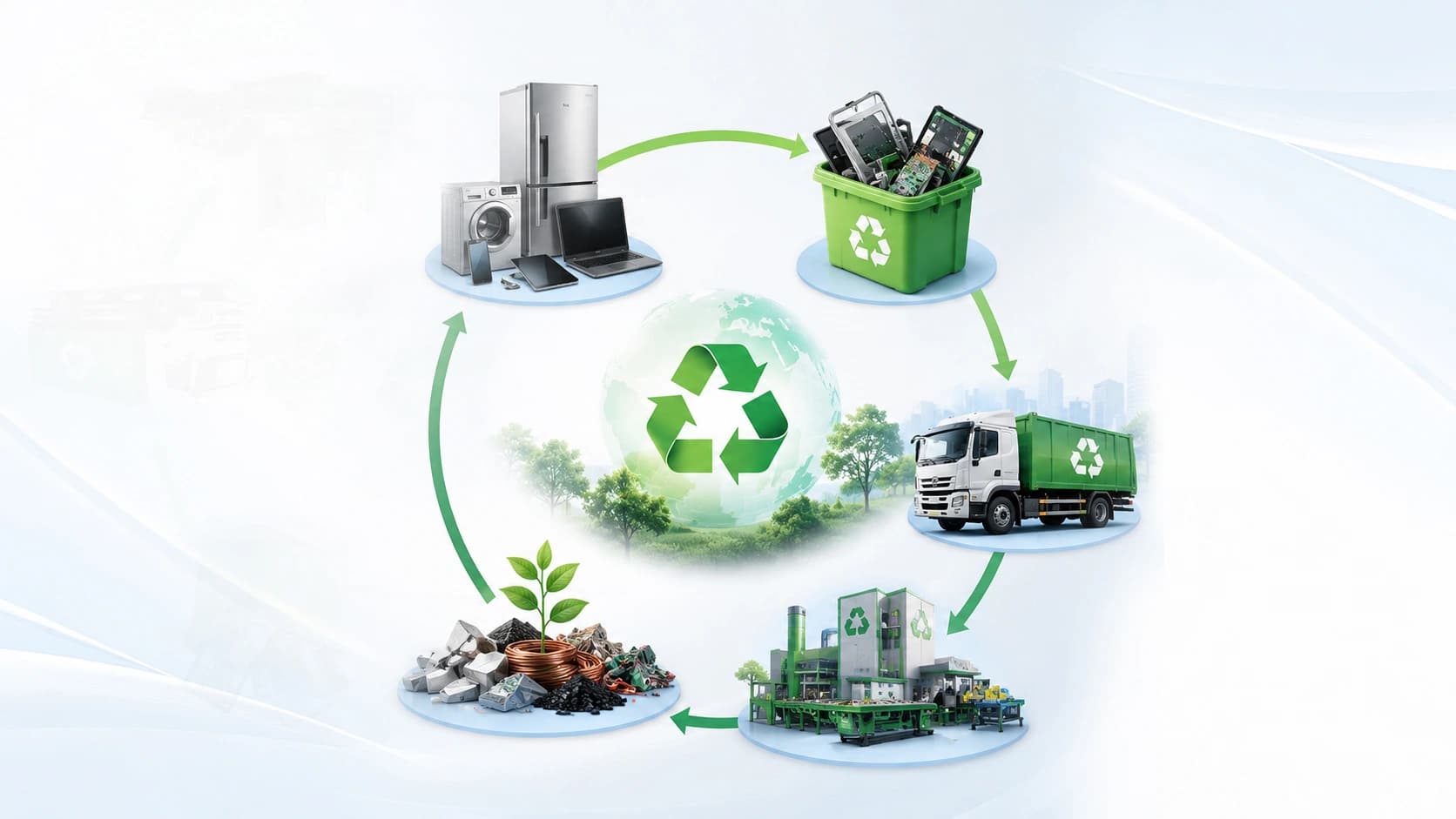
Effective e-waste management in India ensures that hazardous substances such as lead, mercury, and cadmium are handled safely, preventing soil, water, and air pollution. At the same time, it enables the recovery of valuable materials like gold, copper, aluminum, and plastics, supporting sustainable resource utilization and the circular economy.
By adopting proper e-waste recycling and disposal practices, businesses and individuals can significantly reduce environmental risks, protect human health, and contribute to a cleaner and more sustainable future.
The Growing E-Waste Problem in India
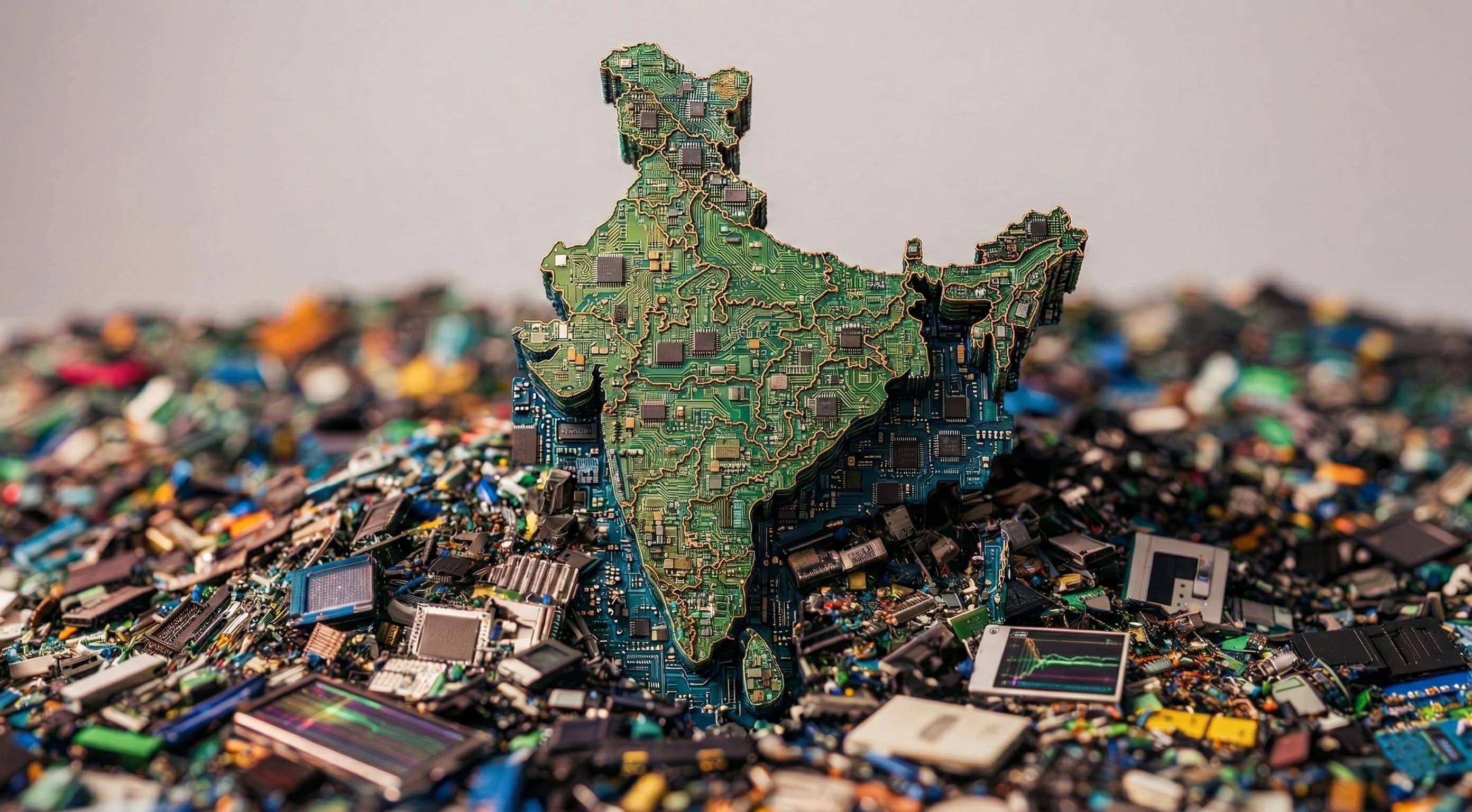
India is facing a rapidly intensifying e-waste crisis, making e-waste management in India a major environmental and public health priority. As the country continues to embrace digital transformation, the consumption of electronic products has increased significantly, resulting in the generation of millions of tonnes of electronic waste every year—a figure that continues to rise.
Several key factors are driving this growing e-waste problem:
-
Rapid Technological Advancement Constant innovation makes electronic devices outdated quickly, increasing the rate at which smartphones, laptops, and other gadgets are discarded.
-
Shorter Product Life Cycles Electronics are designed for frequent upgrades, encouraging consumers to replace devices rather than repair them.
-
Increasing Population and Urbanization Growing cities and expanding populations are driving higher demand for electrical and electronic equipment across households and businesses.
-
Rising Dependence on Digital Devices Digital tools have become essential for communication, education, healthcare, and business operations, significantly increasing electronic consumption.
This growing challenge points to the need for scientific e-waste recycling, stronger regulatory enforcement, and increased public awareness to ensure that electronic waste in India is managed in a safe, responsible, and sustainable manner.
Why E-Waste Management Matters
E-waste management goes far beyond simple waste disposal. It plays a vital role in environmental protection, public health, resource conservation, and regulatory compliance. With the rapid growth of electronic consumption, responsible e-waste management has become essential for building a sustainable and safe future.
1. Environmental Protection
Electronic waste contains hazardous substances such as lead, mercury, cadmium, and brominated flame retardants. When e-waste is dumped in landfills or processed improperly, these toxic chemicals can:
- Contaminate soil and reduce land fertility
- Pollute groundwater and nearby water bodies
- Release harmful and toxic gases into the atmosphere
Scientific and authorized e-waste recycling prevents environmental degradation by ensuring safe treatment of hazardous materials and reducing pollution. Proper recycling supports a cleaner, healthier ecosystem and minimizes long-term environmental damage.
2. Human Health Safety
Improper handling and informal recycling of e-waste expose workers and surrounding communities to serious health risks. Continuous exposure to toxic substances can lead to:
- Respiratory and lung diseases
- Nervous system disorders and neurological damage
- Skin problems and allergic reactions
- Increased risk of cancer and chronic illnesses
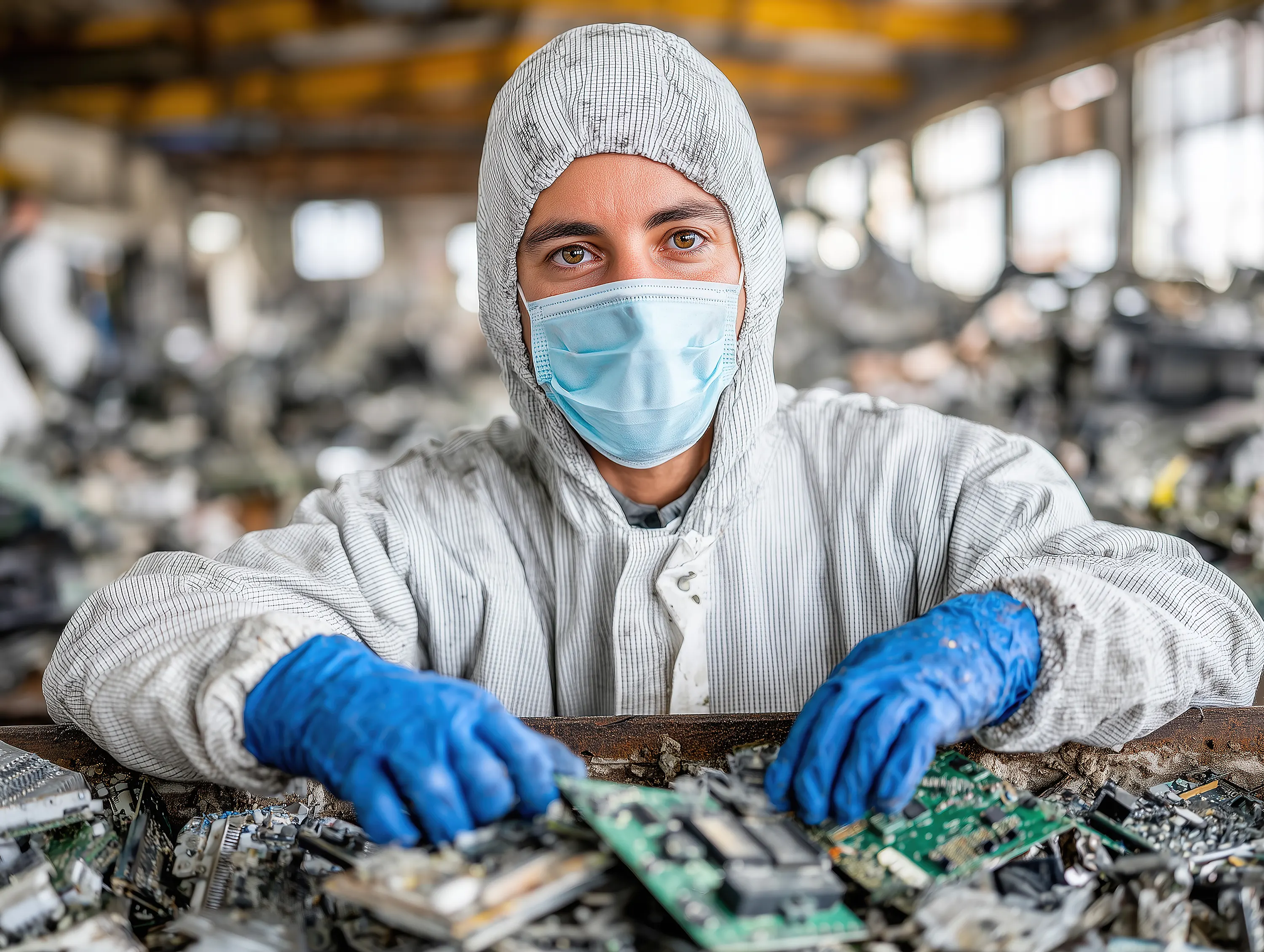
Authorized e-waste recycling facilities follow regulated and safe processes, protecting workers, communities, and public health while ensuring responsible disposal of electronic waste.
3. Resource Conservation
Electronic devices contain valuable and limited natural resources, including:
- Gold
- Copper
- Aluminum
- Silver
Recycling e-waste allows these materials to be recovered and reused, reducing the need for mining and conserving natural resources. Effective e-waste management in India supports the circular economy, where materials are reused efficiently instead of being wasted.
4. Legal and Corporate Responsibility
To address the growing e-waste challenge, India has implemented strict e-waste management rules that focus on:
- Extended Producer Responsibility (EPR)
- Safe and scientific recycling practices
- Accountability of bulk consumers and organizations
Compliance with these regulations helps businesses avoid legal penalties, improve sustainability performance, and demonstrate their commitment to environmental responsibility. Proper e-waste management also enhances corporate reputation and builds trust with stakeholders.
Effects of Improper E-Waste Disposal
Improper disposal of electronic waste—such as dumping e-waste in landfills or processing it through informal recycling methods—has serious environmental, health, and social consequences. Without proper e-waste management, hazardous substances released from electronic waste can cause long-term and irreversible damage.
Soil Pollution
Toxic metals from e-waste contaminate soil and reduce land fertility.
Water Pollution
Harmful chemicals seep into groundwater, rivers, and other water sources.
Air Pollution
Burning e-waste releases toxic fumes that degrade air quality.
Social & Health Impact
Informal recycling exposes workers to unsafe conditions and serious health risks.
These harmful effects highlight why e-waste management in India has become a national environmental priority. Adopting scientific recycling methods and promoting responsible disposal are essential steps toward protecting the environment, human health, and future generations.
How Can E-Waste Be Solved in India?
Solving the growing e-waste problem in India requires a combined effort from individuals, businesses, recyclers, and policymakers. A sustainable approach to e-waste management in India focuses on reducing waste generation, promoting reuse, and ensuring responsible recycling.
1. Reduce E-Waste Generation
- Avoid unnecessary upgrades of electronic devices
- Choose durable, high-quality, and energy-efficient electronics
- Repair and maintain devices instead of replacing them frequently
2. Encourage Reuse of Electronics
- Donate functional electronic devices
- Refurbish old electronics for continued use
- Promote second-life usage of gadgets to extend product lifespan
3. Responsible E-Waste Recycling
- Dispose of electronic waste only through authorized e-waste recyclers
- Ensure secure data destruction before recycling
- Support scientific dismantling and recovery of valuable materials
4. Strengthening Policy and Awareness
- Educate consumers about safe e-waste disposal methods
- Improve e-waste collection and recycling infrastructure
- Strictly enforce e-waste management rules and regulations
5. Corporate Participation
- Implement take-back and buy-back programs
- Partner with certified e-waste recycling companies
- Track, document, and report e-waste disposal responsibly
Role of Authorized E-Waste Recyclers
Authorized e-waste recycling companies play a crucial role in building a sustainable recycling ecosystem by:
- Safely collecting and transporting electronic waste
- Scientifically dismantling electronic equipment
- Recovering reusable and valuable materials
- Disposing hazardous waste in an environmentally safe manner
- Ensuring compliance with government and environmental regulations
Their involvement helps bridge the gap between technology growth and environmental sustainability.
Conclusion
E-waste management in India is undoubtedly a growing challenge, but it also offers a tremendous opportunity to create a cleaner and more sustainable future. By combining awareness, strict regulations, responsible consumer practices, and professional recycling solutions, electronic waste can be transformed from an environmental hazard into a valuable resource for society.
Individuals and businesses play a crucial role in this process. By adopting proper e-waste recycling and disposal practices, they contribute to:
- Environmental protection by reducing pollution and conserving ecosystems
- Public health safety by preventing exposure to toxic materials
- Conservation of natural resources through the recovery of precious metals and materials
- A cleaner, greener, and more sustainable future that supports the circular economy
Proper electronic waste management not only addresses the current e-waste crisis in India but also builds a culture of sustainability, accountability, and environmental responsibility for generations to come.